To stay comfortable on a long-haul flight, choose a seat that suits the way you travel, pack a small carry-on kit with the things you will really use, drink water regularly and go easy on alcohol and caffeine, get up and move whenever it is safe, and plan your sleep around the time you will land. Small choices before and during the flight add up, and they make your first day at the destination much easier.
A flight of ten hours or more is tiring for almost everyone: you sit for a long time, the cabin air is dry and your normal routine disappears. The tips below are general advice, not medical advice; if you have a health condition, talk to your doctor before you fly.
Window or aisle: which seat is better on a long flight?
There is no single best seat. It depends on what matters most to you on the journey:
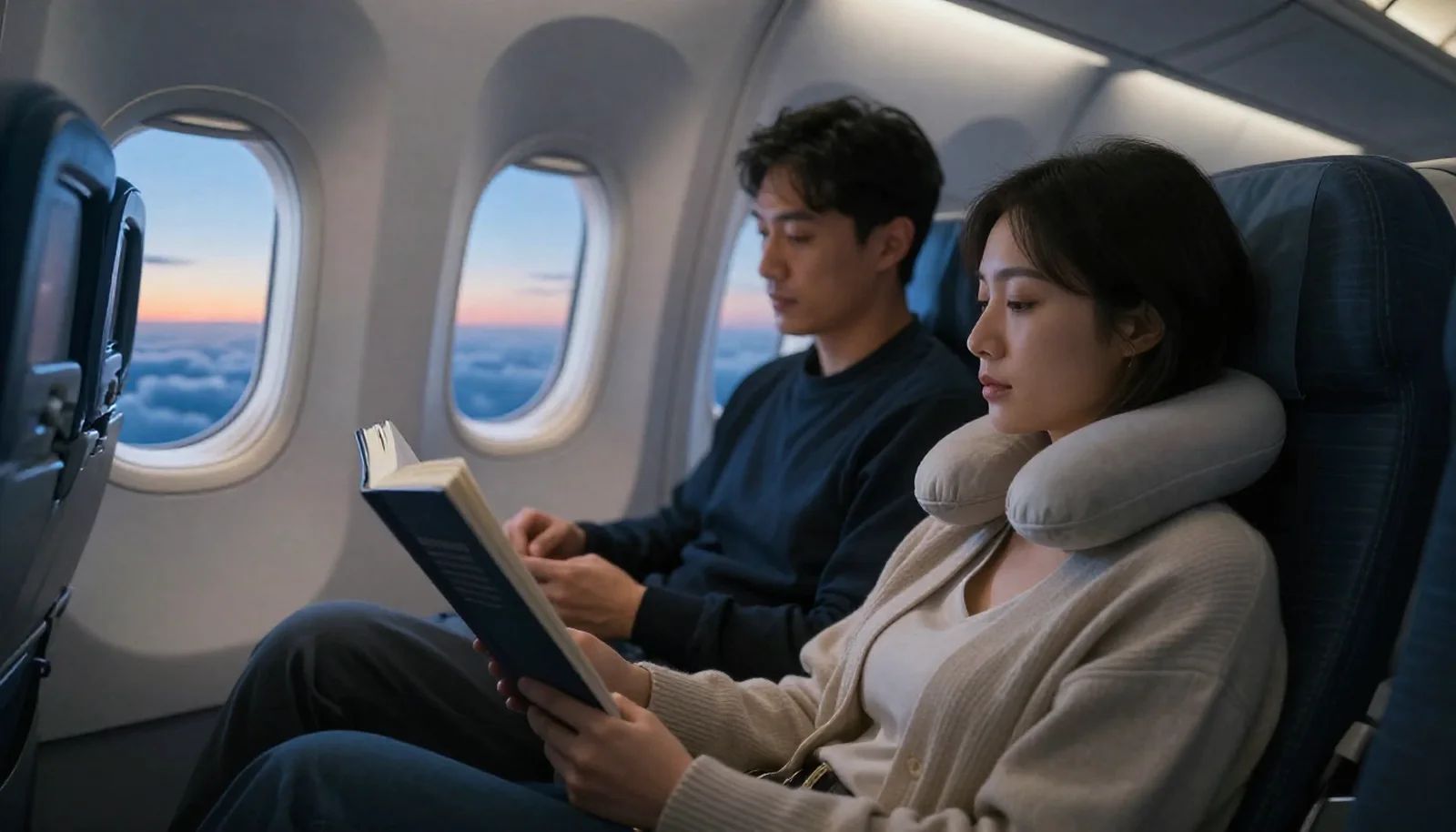
- Window seat. You have a wall to lean against when you sleep, you control the window shade and nobody has to climb over you. The downside is that you need to ask your neighbours to stand up every time you want to get out.
- Aisle seat. You can stand up, stretch and go to the toilet whenever you like, which makes it easier to move regularly. On the other hand, you may be woken when others need to pass, and people and trolleys brush past you.
- Other things to consider. Seats near the toilets or galley can be noisier and brighter, and some seats have limited recline or less legroom. Whether choosing a seat costs extra depends on your ticket, so check before you book or when check-in opens.
If you plan to sleep most of the way, a window seat usually works better. If you know you will want to walk around or drink a lot of water, the aisle is often the more comfortable choice.
What should you pack in your carry-on for a long-haul flight?
Keep everything you will need during the flight in one small bag that you can reach from your seat, so you do not have to open the overhead locker again and again. A useful kit includes:
- A neck pillow. It supports your head when you sleep sitting up. Inflatable or compressible ones take up little space.
- An eye mask and earplugs. Cabin lights and engine noise make it hard to rest. Noise-cancelling headphones can also help.
- Layers of clothing. The cabin can feel warm one moment and cold the next. Loose, comfortable clothes, a light jumper or scarf and warm socks let you adjust easily.
- A charger and power bank. Not every seat has a working socket. Rules for carrying power banks are set by airlines and authorities and can change, so check them before you fly.
- Your medicines. Keep any medicines you take regularly in your hand luggage, ideally in their original packaging, with enough extra for possible delays. Check the rules on liquids and medicines for the airports you use.
- Small comfort items. Lip balm, a travel-size moisturiser, a toothbrush, an empty refillable water bottle and a pen for any arrival forms.
Water, alcohol and caffeine: what should you drink?
The air in a plane cabin is very dry, so you may feel thirsty, tired or get a headache more easily. Drink water little and often throughout the flight rather than a lot at once. Fill your bottle after the security check, or ask the cabin crew for water whenever you need it.
Alcohol and caffeine are best kept to a minimum. Alcohol can make you feel worse on a long flight and tends to disturb your sleep, and coffee or strong tea late in the flight can make it harder to sleep after you arrive. If you do have a drink with your meal, keep it moderate and keep drinking water too.
Dry air also affects your skin and eyes. A simple moisturiser and lip balm help, and if you wear contact lenses, you may find glasses more comfortable on a long flight. Eye drops can ease dry eyes; ask a pharmacist which kind suits you.
Why should you move around during a long flight?
Sitting still for many hours can leave your legs stiff and swollen. Long journeys with little movement are also linked to a higher risk of blood clots in the legs. For most people this risk is low, but some people are more at risk, for example because of certain health conditions, recent surgery, pregnancy or some medicines. If you think this may apply to you, ask your doctor for advice before your trip.
A few simple habits help most travellers feel better:
- Get up and walk down the aisle when the seatbelt sign is off, for example every hour or two while you are awake.
- Move your feet while seated: point and flex your toes, circle your ankles and press your heels into the floor.
- Stretch gently by rolling your shoulders and turning your head slowly from side to side.
- Avoid sitting with your legs crossed for long periods, and try not to fill the space under the seat in front so you can stretch your legs.
- Always follow the crew's instructions, and sit down with your seatbelt fastened when asked.
How can you sleep on a plane and plan for your arrival time?
Before you board, look at what time it will be when you land. If you arrive in the morning, try to sleep during the flight so you can get through the first day. If you arrive in the evening, it often helps to stay awake for much of the flight and sleep properly once you reach your accommodation. Setting your watch to the destination time when you board can help you think in the new time zone. If you are crossing many time zones, our separate article on jet lag goes into more detail.
To make sleeping easier, put on your eye mask and earplugs, fasten your seatbelt over your blanket so the crew do not need to wake you, recline a little if you can, and put screens away a while before you want to sleep. A short nap is better than none. If you are thinking of using any sleeping aid, ask your doctor first, and do not try something new for the first time on a plane.
Passing the time: entertainment and work
A long flight is a good chance to watch films, read or listen to something you never have time for at home. Download films, series, podcasts, music and offline maps to your phone or tablet before you leave, because onboard wi-fi may be unavailable, slow or cost extra. Bring your own headphones, as they are often more comfortable than the ones provided.
If you need to work, choose tasks that do not depend on a connection, such as writing, reading documents or planning. Use a privacy filter if you handle confidential information, take regular breaks and do not plan to work the whole way.
Using your layover and the first hours after landing
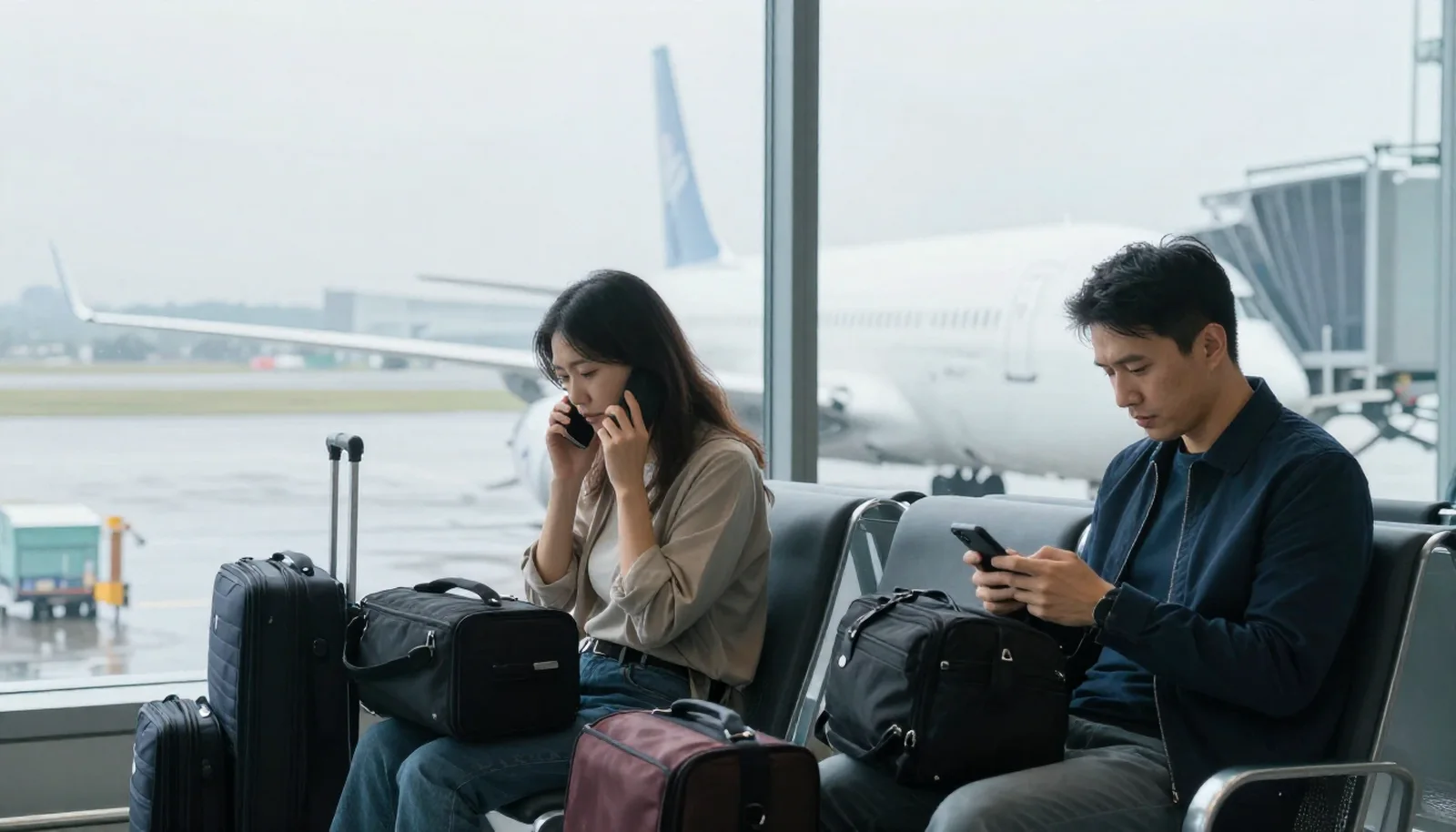
If your journey includes a connection, treat the layover as a break. Walk through the terminal, stretch, refill your water bottle and freshen up. Check your next gate and boarding time first and keep an eye on the screens, because gates can change. Some airports have quiet zones, showers or rest areas; what is available and whether it costs extra differs from airport to airport, so check in advance.
After landing, take it slowly. Drink water, eat something light and, if you can, get some daylight and fresh air with a short walk. Try to follow local mealtimes and go to bed at a normal local time. Avoid planning anything demanding on the first day, and be careful about driving if you feel very tired.
Arriving somewhere new after a long flight can also feel a little lonely. On mytripdate you can see who else is in the same city on the same dates and send them a message, perhaps to swap tips about the area or meet for a coffee once you have rested. Chat on the site first, look for a verified profile and meet in a public place.
Frequently asked questions
Is a window or an aisle seat better on a long-haul flight?
A window seat is usually better if you want to sleep and lean against something; an aisle seat is better if you want to get up often. Choose based on your own priorities for the journey.
How often should I get up on a long flight?
There is no fixed rule for everyone, but getting up every hour or two while you are awake and doing simple foot exercises in your seat helps many people. If you may be at higher risk of blood clots, ask your doctor for advice.
Should I sleep on the plane?
It depends on when you land. Sleeping on board helps if you arrive in the morning, while staying awake for much of the flight can help if you arrive in the evening.
What is the most important thing to keep in my carry-on?
Your travel documents and any medicines you take regularly come first, followed by a neck pillow, eye mask, earplugs, a warm layer and a charger.