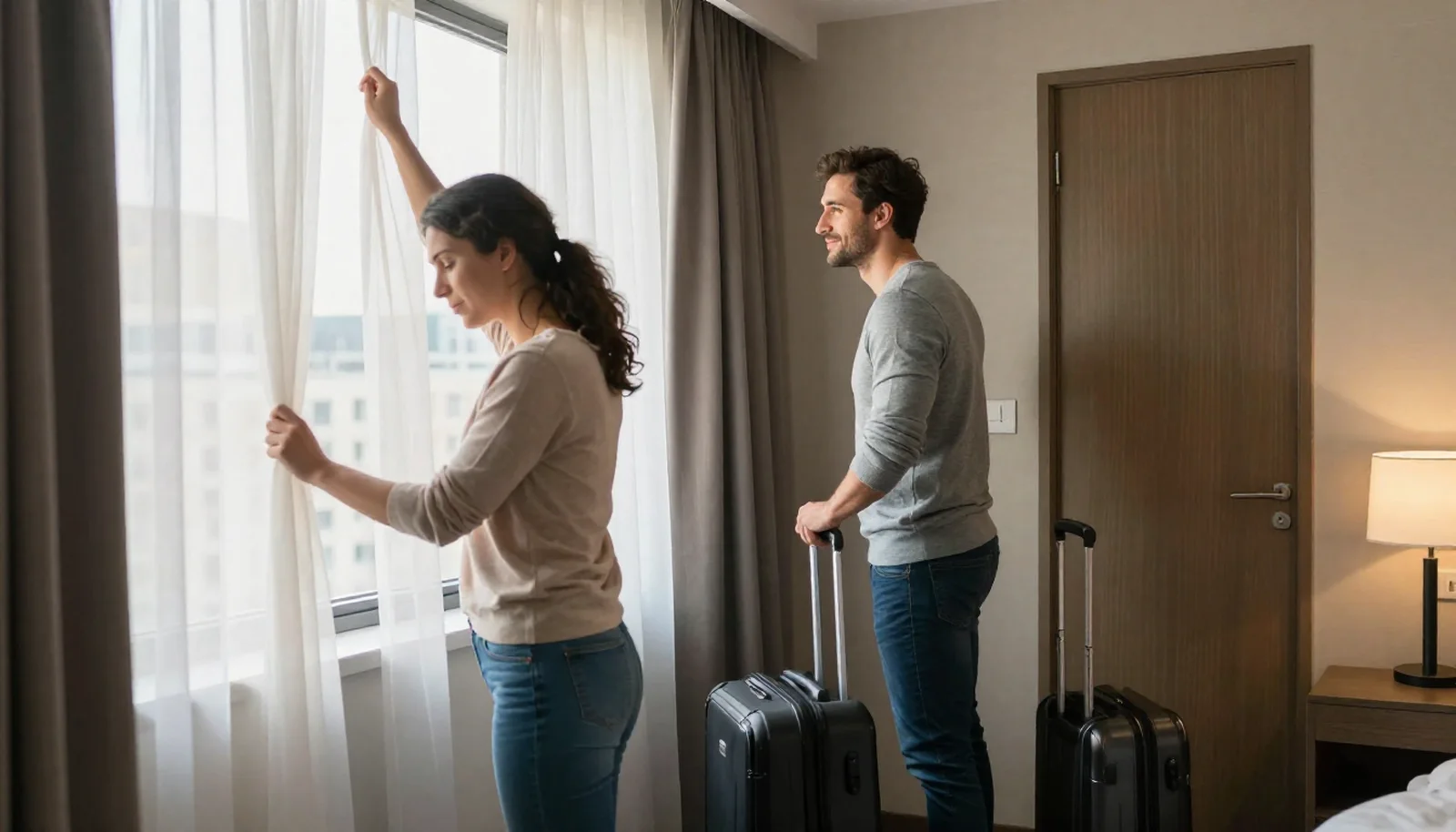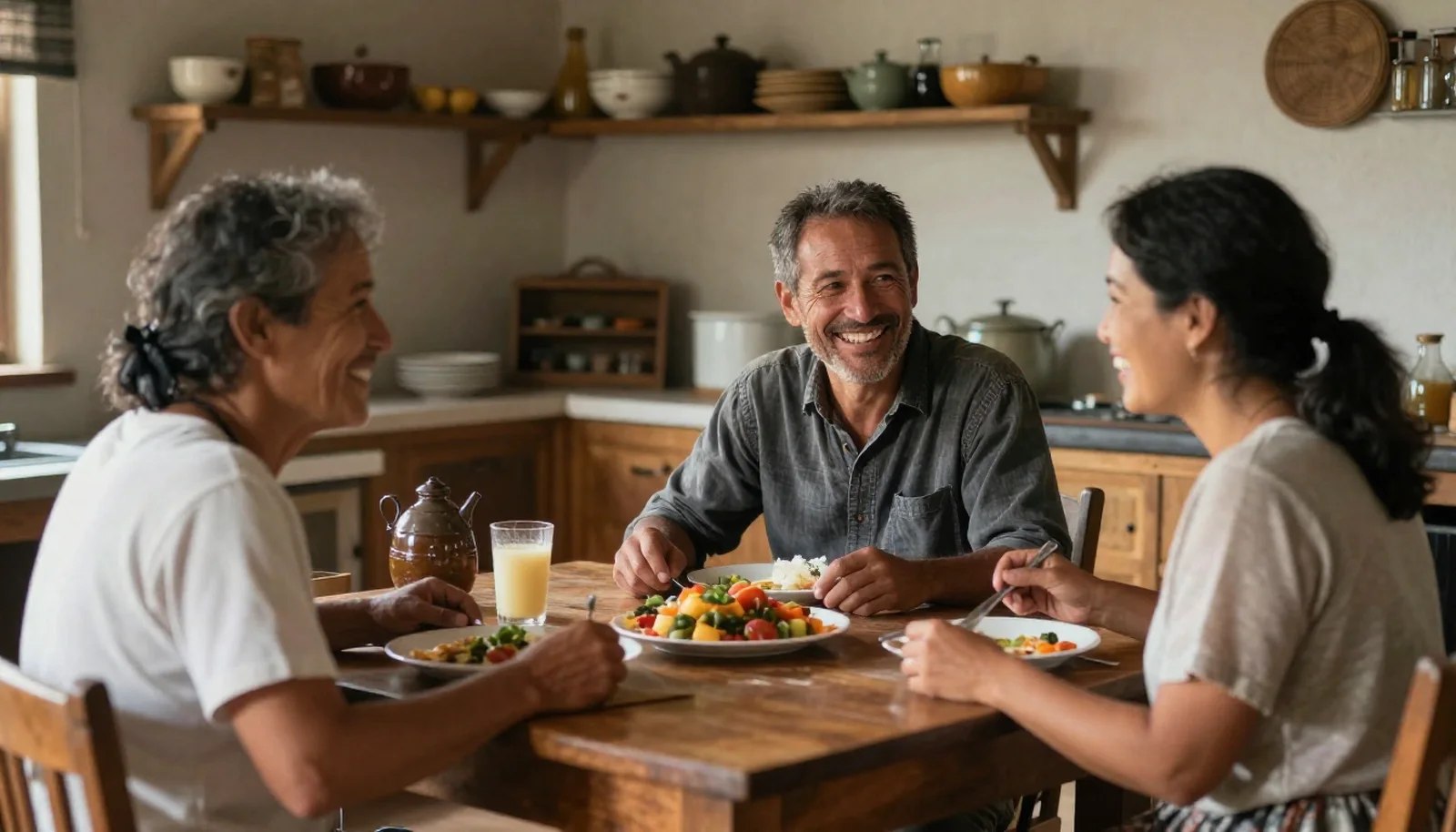
To choose a good homestay, decide what kind of stay you want, read recent and detailed reviews, check the host's profile and the exact location, and ask questions about house rules, meals and the room before you pay. To be a good guest, follow the house rules, be clear about your plans, respect your hosts' privacy and routines, and communicate early if something changes. Before you arrive, always tell someone you trust where you will be staying.
A homestay puts you inside everyday life: breakfast at the family table, advice on where locals really eat and a glimpse of how people live. It can be one of the most memorable ways to travel, especially if you want to practise a language or understand a culture more deeply. This guide covers the main options, how to check them and how to make the stay work well for everyone.
What is a homestay?
A homestay usually means staying in someone's home as a guest, with your own room or bed, while the hosts continue to live there. It is different from renting a whole flat, where you rarely meet the owner. Homestays can be paid or free, short or long, and the relationship between host and guest varies a lot. Some hosts simply offer a room; others treat guests almost like members of the family.
Types of homestay
The word covers several quite different arrangements:
- Private rooms in a local home. Booked through accommodation websites, often with breakfast. You have your own room and share some spaces.
- Family homestays for language learners. Often arranged through language schools, usually for several weeks, with meals included.
- Rural and community homestays. In villages or farming areas, sometimes organised by local cooperatives, and often the only way to stay overnight in remote places.
- Free hospitality exchanges. Communities where hosts offer a sofa or spare room without payment, mainly for cultural exchange.
- Work exchanges. You help with tasks such as farming or reception work in return for accommodation. Check the visa rules for the country first, as unpaid work may not be allowed on a tourist visa.
How do you choose a good homestay?
Take your time with this step, because a good match makes all the difference. Start with what matters most to you: privacy, meals, location, language practice or price. Then look closely at each option:
- Read recent reviews, especially detailed ones written by people travelling the way you do, such as solo travellers or women travelling alone.
- Check the host's profile, how long they have been hosting and whether the platform has verified their identity or address.
- Look at the exact location on a map and check how you will get there, especially at night.
- Ask about house rules, curfews, meals, laundry, shared bathrooms and whether other people live in the home.
- Keep messages and payments on the booking platform where possible, as this usually gives you more protection if something goes wrong.
Be wary of listings with no reviews, hosts who push you to pay outside the platform or descriptions that change when you ask questions. A good host is usually happy to answer.
What to expect when staying with a local family
A homestay is not a hotel. There may be no reception, fixed times for meals and a routine you are expected to fit into. Hot water, heating or internet may be more limited than you are used to. Hosts may want to chat, ask about your day or expect you to let them know if you will be home late. On the other hand, you will often get advice and kindness that no hotel can offer.
Customs vary from country to country. In many homes you take off your shoes at the door; in some, guests are expected to eat what is served or to join family meals at set times. If you are not sure, ask. Most hosts appreciate the question.
How to be a good guest
Small courtesies go a long way. Keep your room tidy, clean up after yourself in shared spaces and follow the house rules even when they seem unusual. Be considerate with water, electricity and noise, especially late at night and early in the morning. Ask before using the kitchen, inviting anyone over or taking photos of the family or the home.
A small gift from your country, help with washing up or a meal you cook together can be a nice gesture, but there is no need to overdo it. Above all, communicate: tell your hosts your plans, let them know if you will be late and say thank you before you leave.
Boundaries and safety
Being a guest does not mean you have to accept anything that makes you uncomfortable. It is fine to say no to invitations, to keep your door closed and to spend time alone. Before you arrive, share the address, the host's name and your dates with someone you trust, and check in with them after the first night. Keep your passport and valuables secure, and make sure you have offline maps and the number of a local taxi service.
Always have a backup plan. Know where you could stay instead, and keep enough money to move at short notice. If something feels wrong, leave first and sort out refunds later; your safety matters more than the booking.
If you want company outside the home, mytripdate can help you see who will be in the same city on the same dates, message them and check whether their profile is verified. When you meet someone new, choose a public place, and avoid sharing your hosts' address until you know the person well.
Frequently asked questions
Is a homestay safe for solo travellers?
Many solo travellers stay in homestays without problems. Read recent reviews, check the host's profile and verification, share your address with someone you trust and keep a backup option in case you need to leave.
Do I need to bring a gift for my host?
It is not usually required, but a small, thoughtful gift is welcome in many cultures. Check local customs if you are not sure.
What is the difference between a homestay and a holiday rental?
In a homestay, the hosts live in the home while you stay there. In a holiday rental, you usually have the whole place to yourself and may never meet the owner.
The bottom line
A homestay can turn a trip into an experience of daily life. Choose carefully, ask questions before you book and keep a backup plan. Then be the kind of guest you would like to host: tidy, considerate and open. Many travellers find that the people they stayed with become one of the best memories of the journey.