Staying healthy while travelling mostly comes down to a few simple habits: get advice for your destination before you leave, carry your regular medicines correctly, be careful with food and water, protect yourself from sun and heat, pack a small first-aid kit and make sure your travel insurance covers medical care abroad. None of this needs to be complicated, and a little preparation makes it much easier to deal with small problems on the road.
This guide covers the basics that apply to most trips. It is general information, not medical advice. Health recommendations depend on where you are going, your age, your health and your plans, so for anything specific, speak to a doctor, a pharmacist or a travel health clinic.
What should you check before you travel?
Health advice is different for every destination. Some countries have recommended or required vaccinations, some regions have mosquito-borne illnesses, and some places have limited medical care outside the big cities. The best sources are your doctor or a travel health clinic and your government's official travel health information for the country you are visiting.
Try to ask a few weeks before departure, because some vaccinations need time or more than one appointment. Useful questions to bring:
- Which vaccinations are recommended or required for this destination and for my plans?
- Is there a risk of mosquito-borne illness where I am going, and how can I protect myself?
- Is there anything I should know because of my age, a pregnancy or a health condition?
- Is it safe for me to dive, hike at high altitude or do other demanding activities?
How do you travel with regular medicines?
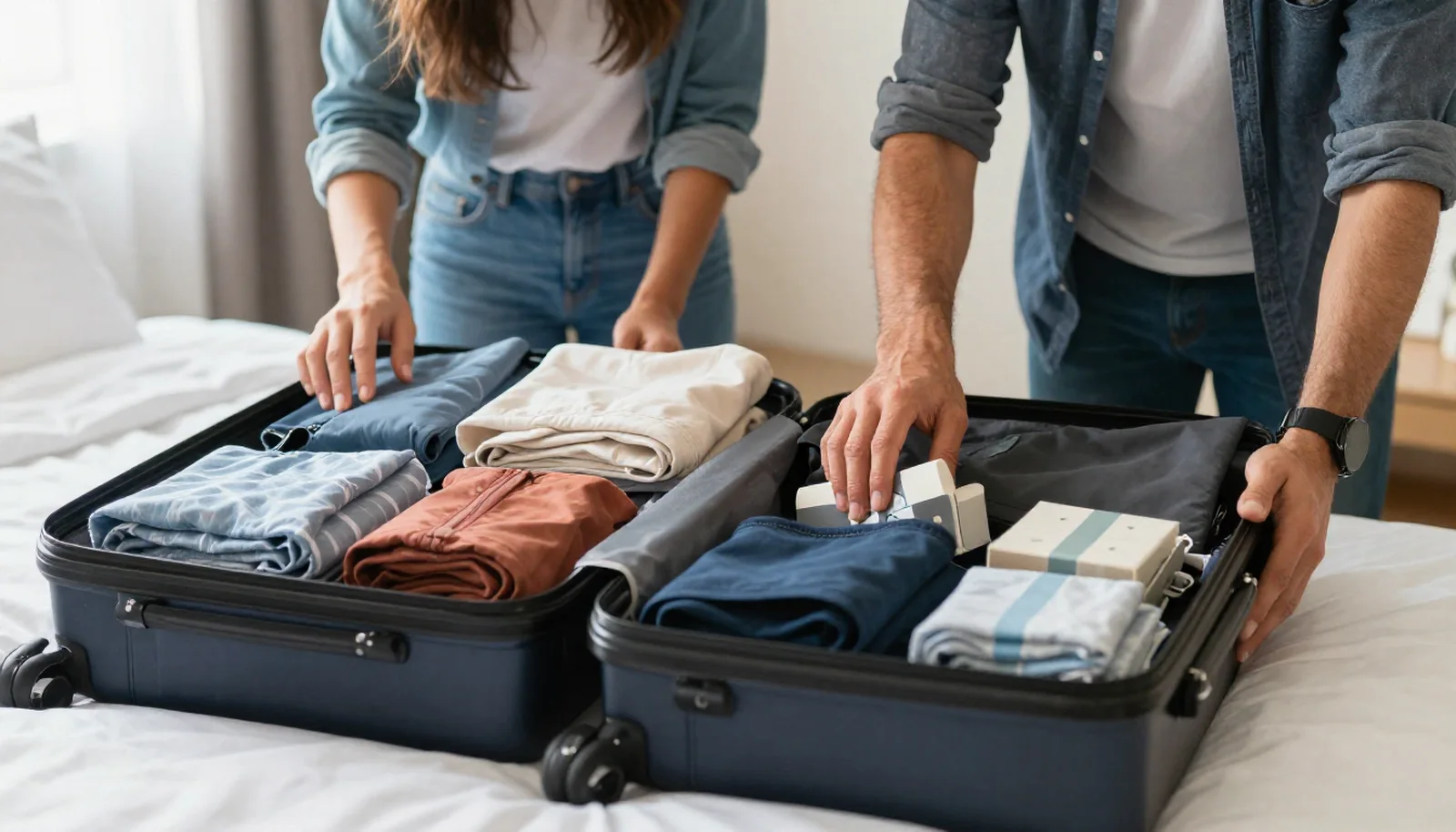
If you take medicine regularly, bring enough for the whole trip plus a few extra days in case of delays. Keep it in your hand luggage, not only in a checked bag that could be lost.
Rules on carrying medicines differ from country to country. A medicine that is common at home can be restricted or need special permission somewhere else, especially some strong painkillers, sleeping pills and medicines for attention or anxiety. Check the rules of your destination, and of any country you pass through, with its embassy or official government website before you go. In general, it helps to:
- keep medicines in their original packaging with the label visible;
- bring a copy of your prescription or a letter from your doctor listing your medicines;
- write down the generic names of your medicines, because brand names often differ abroad;
- check how to store medicines that need to stay cool or that are sensitive to heat.
Food and water: simple habits that help
Stomach trouble is one of the most common travel complaints. In places where tap water is not considered safe to drink, these general habits reduce the risk:
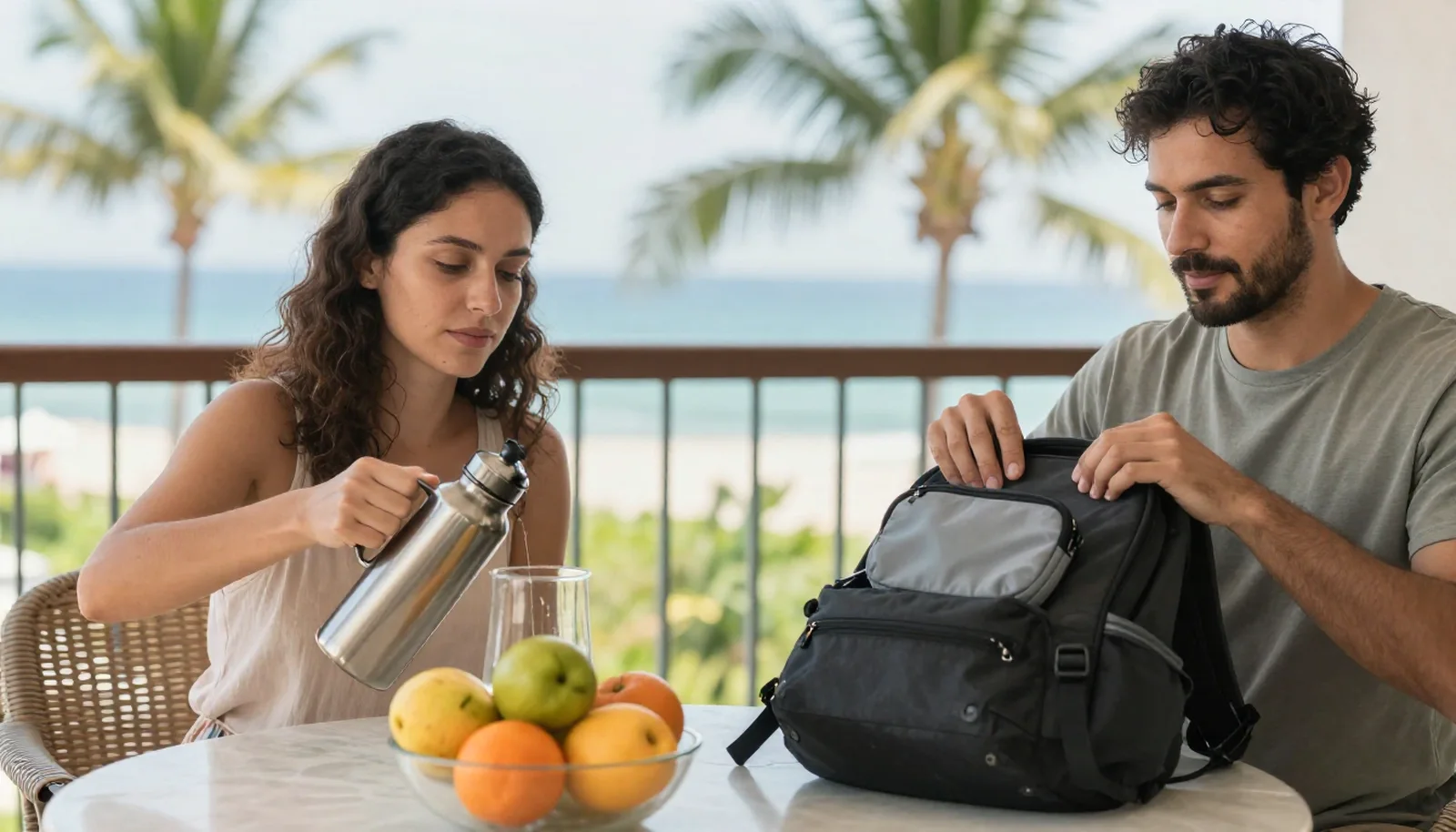
- Drink safe water. Choose sealed bottled water or water that has been boiled or properly treated, and use it for brushing your teeth too if local advice says so.
- Think about ice. Ice may be made from tap water, so skip it if you are unsure.
- Eat food that is freshly cooked and served hot. Food that has been sitting at room temperature for a long time carries more risk.
- Be careful with raw food. Fruit you peel yourself is usually a safer choice than salads washed in tap water.
- Wash your hands. Wash with soap before eating and after using the toilet, and carry hand sanitiser for when there is no sink.
A busy food stall where food is cooked in front of you can be a good choice. If you do get an upset stomach, rest and keep drinking fluids. Seek medical help if symptoms are severe, last more than a couple of days, or include a high fever or blood, and be more cautious with children, older travellers and anyone with a health condition.
Sun, heat and staying hydrated
Sun and heat catch many travellers by surprise, especially in the first days. Use sunscreen and reapply it after swimming or sweating, wear a hat and sunglasses, and look for shade around the middle of the day when the sun is strongest. Drink water regularly, before you feel very thirsty, and remember that alcohol and long hours in the sun add up. Plan walking and sightseeing for the cooler morning and evening hours. If you or someone with you feels dizzy, confused, very weak or stops sweating in the heat, move to a cool place and get medical help.
What should a simple travel first-aid kit contain?
A small kit is enough for most trips. You will usually find the rest at a local pharmacy. A practical basic kit can include:
- plasters in different sizes and blister plasters;
- antiseptic wipes or cream, sterile gauze and tape;
- the pain or fever reliever you normally use;
- oral rehydration salts;
- insect repellent and sunscreen;
- tweezers, small scissors (in checked luggage if you fly) and a thermometer;
- hand sanitiser;
- your personal medicines and a list of them.
Ask a pharmacist if you are unsure what suits you, and read the instructions of anything you pack before you need it.
Does your travel insurance cover medical care?
Medical treatment abroad can be very expensive, and your health cover at home may not apply in another country. Before you buy or rely on a policy, read what it actually covers:
- Medical treatment and hospital stays abroad, and up to what amount.
- Emergency transport or medical return home, if needed.
- Existing health conditions: whether you need to declare them.
- Activities such as diving, skiing or riding a scooter, which are often excluded unless added.
- How to claim: whether you must call the insurer first, and whether you pay and claim back later.
Save the insurer's emergency phone number and your policy number on your phone and on paper, and share them with someone you trust.
How do you find a doctor or pharmacy abroad?
For minor problems, a pharmacy is often the best first stop; pharmacists can advise you and tell you when you need to see a doctor. To find a doctor, you can ask your accommodation, call your insurer's assistance line, which can often point you to a clinic, or check your embassy's website, as some publish lists of local doctors. A translation app helps you describe symptoms, and having your medicine list ready saves time.
Emergency numbers are different in each country, so look up the number for your destination before you arrive and save it. If you travel with someone, for example a companion you met through mytripdate, it is worth sharing your emergency contacts and insurance details with each other. On mytripdate you can see who will be in the same city on the same dates, message them and check whether their profile is verified before you meet.
Frequently asked questions
How early should I get health advice before a trip?
Ideally a few weeks before you leave, because some vaccinations need time to work or more than one dose. Even if you are leaving soon, it is still worth asking.
Can I take my regular medicine to another country?
Usually yes, but rules differ. Check the destination's official rules, keep medicines in their original packaging and carry a prescription or doctor's letter.
Do I need travel insurance if I am healthy?
Accidents and sudden illness can happen to anyone, and treatment abroad can be costly. Many travellers choose insurance that includes medical care for this reason.
Is bottled water always necessary?
No. In many places tap water is safe. Follow local and official advice for your destination, and choose sealed bottled or treated water where tap water is not recommended.