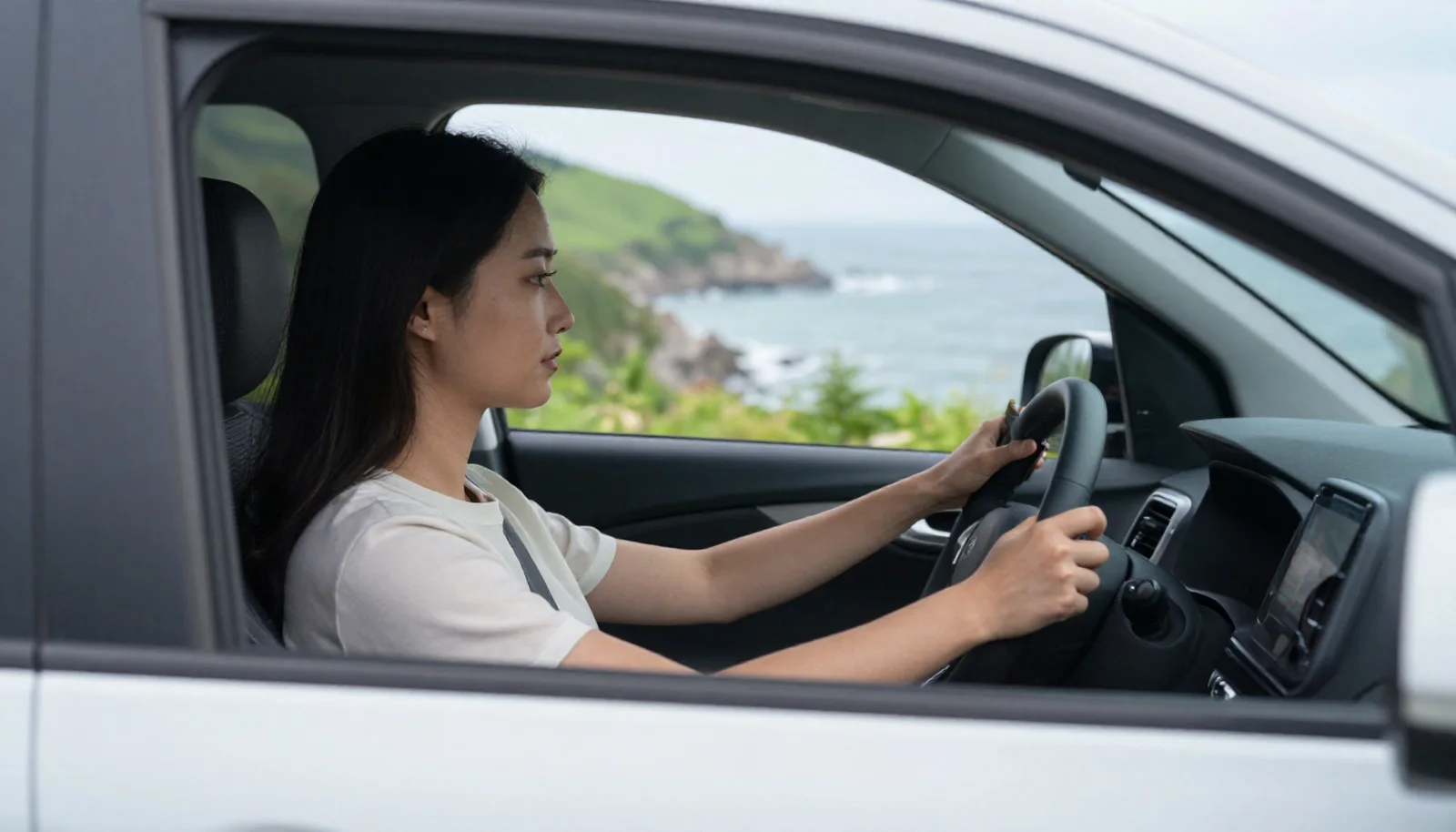
Before driving abroad, check three things: whether your driving licence is accepted in the country you are visiting and whether you also need an International Driving Permit, what the rental company requires (minimum age, a credit card for the deposit and the insurance cover included), and which local road rules differ from those at home. The rules vary from country to country and can change, so always confirm them on official sources, such as the government websites of the country you are visiting and of your own country.
A car can give you a lot of freedom on a trip, from remote beaches to small villages that buses do not reach. This guide covers the general points to think about. It is not legal advice and it does not list the rules of any specific country.
Is your driving licence valid abroad?
There is no single answer. Some countries accept foreign licences for visitors for a limited period, some only accept them together with a translation or permit, and some require a local licence for longer stays. What applies to you can depend on the country that issued your licence, the country you are visiting and how long you stay.
The most reliable places to check are your own government's travel advice pages and the official transport or road authority of the country you are visiting. The embassy or consulate of that country can also help. Rental companies have their own rules on top of the law, so read their licence requirements too. Remember to bring your physical licence, make sure it will not expire during your trip, and check whether a provisional or recently issued licence is accepted.
What is an International Driving Permit and do you need one?
An International Driving Permit, often called an IDP, is a document that translates your licence into several languages. It is not a licence on its own: it is only valid together with your original licence, so you need to carry both. In some countries it is required by law, in others it is only recommended, and in some it is not needed at all.
An IDP is usually issued in the country where you got your licence, often by an authorised organisation, and generally before you leave. Check with the official issuing body in your own country how to apply, what it costs and how long it is valid. Be careful with websites that offer unofficial "international licences", as these may not be recognised.
Renting a car: age, deposit and paperwork
Rental conditions are set by each company and can differ even within the same country. Before you book, read the terms and check these points:
- Age limits. Many companies have a minimum age and may charge extra for young or older drivers. Some also ask that you have held your licence for a minimum number of years.
- Deposit and payment card. A deposit is often held on a credit card in the main driver's name. Debit cards are not always accepted, so check this in advance and make sure you have enough available credit.
- Additional drivers. Only drivers named on the contract are allowed to drive. If you want to share the driving, add the other person officially.
- Crossing borders and ferries. Taking the car to another country or on a ferry may not be allowed, or may need permission and extra cover.
- Mileage and extras. Check whether the distance is unlimited, and what child seats, navigation or winter equipment cost if you need them.
How does rental insurance work?
Insurance terms differ between companies and countries, but the general logic is similar. A rental usually includes some basic cover, and you may still be liable for an amount if the car is damaged or stolen. This amount is often called the excess or deductible. Optional extras can reduce or remove the excess, often for a daily fee. Some parts, such as tyres, glass or the underside of the car, may be excluded.
Before you buy extra cover, check whether you are already covered through your travel insurance or your credit card, and what the conditions are. Read what is excluded and what you must do to make a claim. Ask about anything unclear before you sign.
What should you check when you pick up and return the car?
- Walk around the car. Look for scratches, dents and chips, and make sure any existing damage is written on the contract.
- Take photos and a video. Record the outside, the inside, the wheels, the fuel level and the mileage, with the time and date visible if possible.
- Check the fuel policy. Find out whether you must return the car with a full tank or the same level as at pick-up, and what happens if you do not.
- Know the essentials. Ask how to open the fuel cap, which fuel the car uses, where the safety equipment is and which number to call for help.
- Repeat the checks at return. Take new photos, keep the receipt from your last refuelling and ask for a written confirmation that the car was returned without new damage.
Keep the contract and photos until the deposit is released and the final bill is settled.
Road rules that can catch visitors out
Many basic rules are similar around the world, but some differences can surprise you. Look up the rules for your destination before you drive and pay attention to these general points:
- Driving side. In some countries traffic drives on the left, in others on the right. Take extra care at junctions, roundabouts and when pulling out of a car park.
- Speed units and limits. Limits may be shown in kilometres or miles per hour, and they can change depending on the type of road and the weather.
- Toll roads. Some motorways, bridges and tunnels charge tolls, and some use electronic systems or stickers you need to buy in advance.
- Restricted city zones. Many city centres have low-emission or limited-traffic areas where you may need a permit, and cameras can record vehicles that enter.
- Required equipment. Some countries require items such as a warning triangle or a reflective vest in the car, or have rules about headlights and winter tyres.
Alcohol limits for drivers also differ between countries, and in some places they are lower than you might expect or zero. The safest choice is simple: if you are going to drive, do not drink at all.
Fatigue, breakdowns and accidents
Driving on unfamiliar roads is more tiring than usual, especially after a flight or in a different time zone. Plan shorter distances than you would at home, take regular breaks and stop to rest if you feel sleepy. Do not try to keep going through tiredness.
If the car breaks down or you have an accident, first get to safety and use your hazard lights and any required warning equipment. Call the local emergency number if anyone is hurt or in danger. Then contact the rental company's assistance line, take photos, note the details of any other vehicles involved and ask whether a police report is needed. Do not agree to repairs or sign documents you do not understand. Inform your insurer as soon as you can.
Sharing the drive and the cost
A road trip can be easier with company: you can share the driving, the navigation and the costs of fuel, tolls and parking. On mytripdate you can see who will be in the same city on the same dates and send them a message, which can help you find someone with similar plans. Get to know each other in messages first, look for a verified profile, meet in a public place and agree in advance on how costs will be split. Anyone who drives the rental car must be named on the contract.
Frequently asked questions
Can I drive abroad with my normal licence?
Sometimes, but it depends on the country, where your licence was issued and how long you stay. Check the official rules of your destination and the rental company's conditions before you travel.
Is an International Driving Permit a driving licence?
No. It is a translation of your licence and is only valid together with your original licence. Carry both when you drive.
Can I rent a car without a credit card?
Some companies accept other payment methods, but many require a credit card in the main driver's name for the deposit. Check before you book.