To travel well in winter, dress in layers instead of one thick coat, wear waterproof shoes with a good grip, protect your hands, head and feet, and plan your days around the short daylight hours. Leave extra time for snow and storm delays, choose flexible tickets where you can, keep your phone warm so the battery lasts, and know the warning signs of cold-related illness. Rules for things like winter tyres differ between countries, so check the local requirements before you drive.
Winter trips have a reputation for being hard work, but with the right preparation they can be some of the most memorable. This guide focuses on what is specific to cold weather: clothing, getting around safely and keeping your energy up. It is general advice, not medical guidance, and conditions vary a lot from place to place.
Why travel in winter?
Outside the big holiday weeks, many cities feel calmer in winter. Here are some of the things people enjoy about cold-season trips:
- Quieter streets and sights. Popular places can be less crowded outside the holiday peaks, and accommodation is sometimes easier to find. Prices depend on the destination and dates, so compare before you book.
- Lights and atmosphere. Long evenings, festive lights and, in some regions, winter markets give cities a different character.
- Warm indoor places. Cafés, museums, bathhouses and concert halls feel especially welcoming when it is cold outside.
- Winter landscapes. Snow, frost and low sunlight can make even familiar places look new.
The trade-off is that the weather has more say in your plans. The rest of this guide is about keeping that under control.
How should you layer clothes for cold weather?
Layers work better than a single heavy coat, because they trap warm air and let you adjust as you move between freezing streets and heated trains, shops and museums. Think of three layers:
- Base layer. Worn next to the skin, it should move moisture away from your body. Merino wool and synthetic fabrics are common choices; cotton tends to stay damp and can make you feel colder once you stop moving.
- Mid layer. This is your insulation, such as a fleece, a wool jumper or a light down or synthetic jacket. It holds warm air close to your body.
- Outer layer. A jacket that blocks the wind and keeps out rain or snow. A hood and adjustable cuffs help on windy days.
Because you can add or remove layers, you can often travel with fewer bulky items. Choose pieces that work together, and keep one warm layer easy to reach in your day bag.
What shoes work on snow and ice?
Cold, wet feet can ruin a day quickly, and slippery pavements are one of the most common winter hazards for visitors. Look for waterproof or water-resistant shoes or boots with a deep, grippy sole, and wear them in before the trip. For icy places, removable traction devices that slip over your shoes can help; check whether they suit city pavements as well as trails.
When walking on ice, take shorter steps, keep your hands out of your pockets for balance and be extra careful on stairs, ramps, tram tracks and smooth stone or metal surfaces. Pavements that look merely wet may be frozen, especially in the early morning and after sunset.
Keeping your hands, head and feet warm
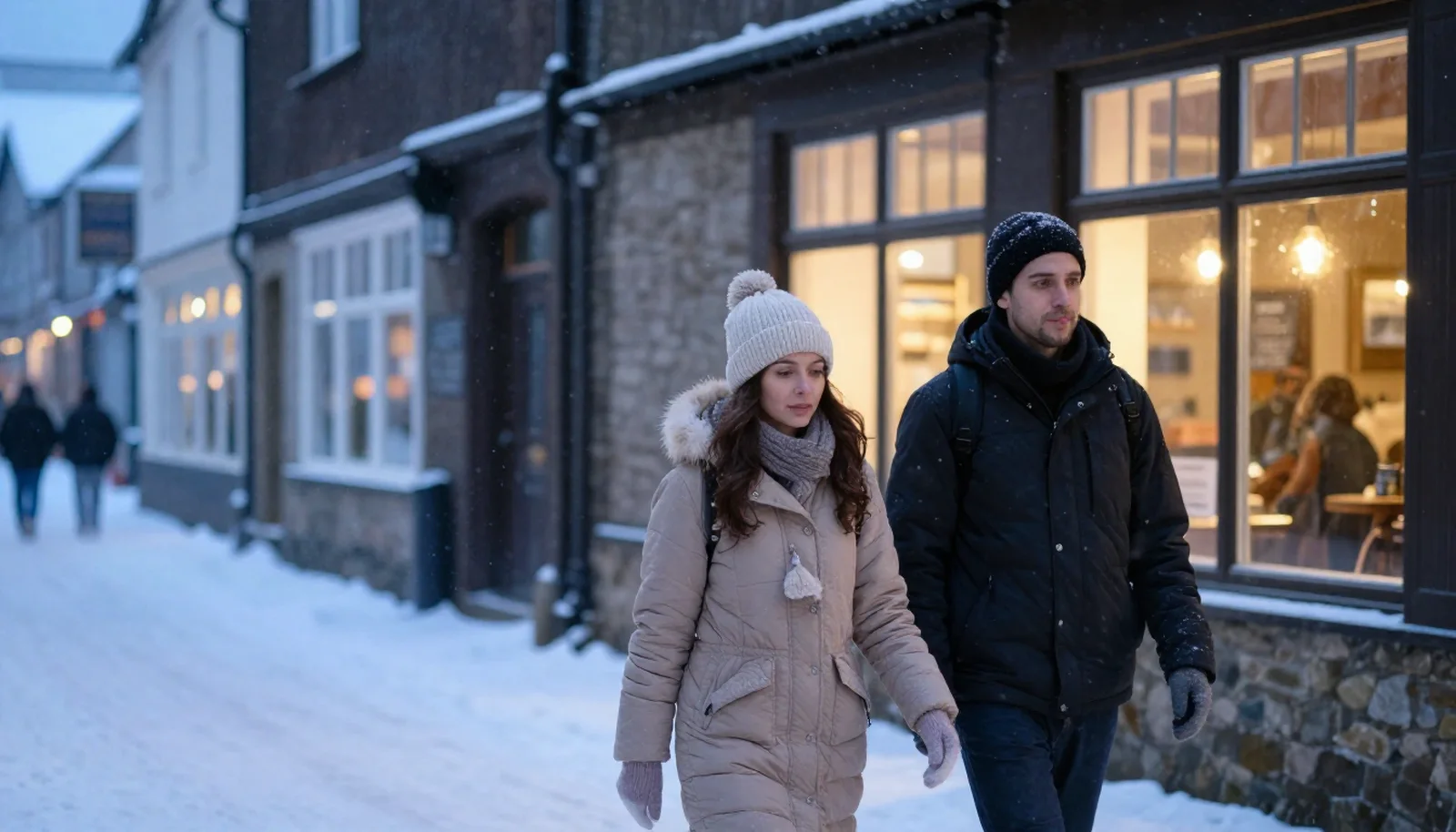
You lose comfort fastest at your extremities, so give them extra attention. A warm hat that covers your ears makes a big difference, and a scarf or neck warmer protects your face from the wind. For your hands, thin liner gloves under warmer gloves or mittens let you use your phone without fully exposing your fingers; mittens are usually warmer than gloves. For your feet, wool or thermal socks help, and it is worth packing a spare pair in case your feet get wet. Avoid socks or shoes so tight that they squeeze your feet, as that can make them colder.
How do you plan around short days and winter delays?
In winter, daylight can be much shorter than you are used to, especially far from the equator. Check sunrise and sunset times for your destination and put outdoor sights, walks and viewpoints in the middle of the day. Save museums, galleries, markets and long meals for the dark hours.
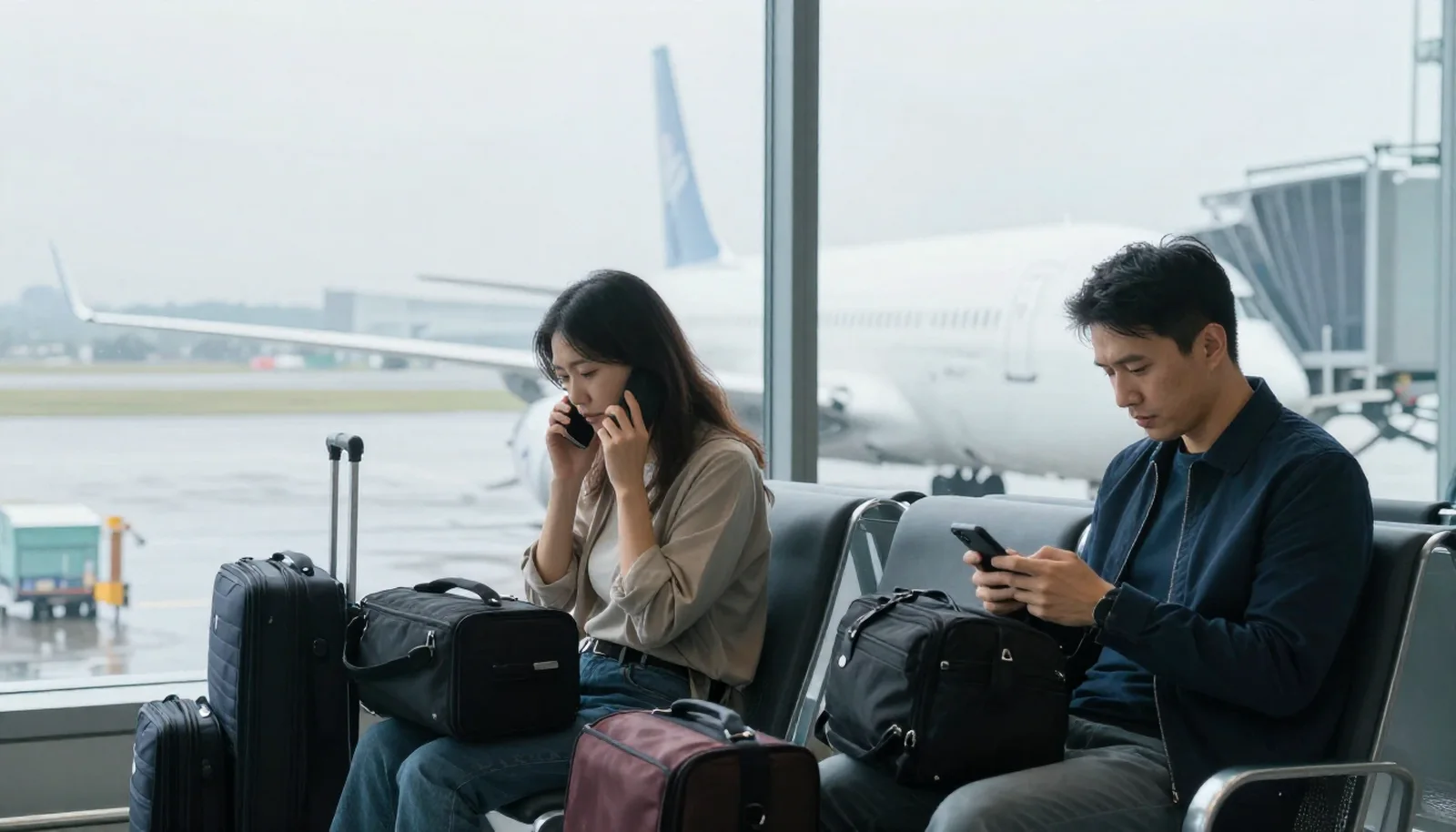
Snow, ice and storms can delay or cancel flights, trains, buses and ferries. Build in some spare time, especially before an important connection or your flight home. Where possible, choose tickets and bookings with flexible change or cancellation conditions, and read the terms before you pay. Check your travel insurance too, so you know what it covers if the weather disrupts your trip. Follow your carrier's app or website and local weather warnings, and keep snacks, water and a warm layer with you in case you are stuck for a while.
If you plan to drive, winter rules can be strict and differ between countries and even regions. Some places require winter tyres or snow chains during certain months or when conditions demand it. Check the official rules for every country on your route, ask your rental company what the car is equipped with, and only drive in conditions you are comfortable with.
Cold-weather health and your phone battery
Long periods in the cold can lead to frostbite or hypothermia. Warning signs of frostbite can include numbness, tingling and skin that looks unusually pale, grey or waxy, most often on the fingers, toes, ears, nose and cheeks. Signs of hypothermia can include intense shivering, confusion, slurred speech, clumsiness and unusual tiredness. If you notice these signs in yourself or someone else, get to a warm place and seek medical help; in an emergency, call the local emergency number, which is worth saving before you go. This is general information, not medical advice.
Phones and other devices with lithium batteries often drain faster in the cold and may switch off suddenly even when they still showed some charge. Keep your phone in an inside pocket close to your body, carry a small power bank, and download offline maps and important tickets in advance. If your phone gets very cold, let it warm up gradually before you charge it.
Staying in good spirits: winter light, warm cafés and indoor plans
Short, grey days can leave some people feeling tired or low, especially on a long trip. Getting outside in daylight, keeping a regular rhythm of sleep and meals and staying active can help. If a low mood lasts or worries you, talk to a health professional.
Winter is also a good time for slower pleasures: a long breakfast in a warm café, an afternoon in a museum, a concert, a cooking class, or a sauna or local bathhouse where that is part of the culture. If you are travelling alone, these indoor plans are also easy to share. On mytripdate you can see who else is in the same city on the same dates and send them a message, perhaps to find company for a museum visit or a hot drink. Chat on the site first, look for a verified profile and meet in a busy public place.
Frequently asked questions
What is the most important thing to pack for a winter trip?
Waterproof shoes with good grip and a set of layers you can combine: a base layer, a warm mid layer and a windproof, waterproof outer layer. Add a hat, gloves and warm socks.
Is winter a cheaper time to travel?
It depends on the destination. Some cities are quieter and less expensive outside the holidays, while popular winter resorts and festive markets can be at their busiest. Compare prices for your dates.
Do I need winter tyres to drive abroad in winter?
In some countries or regions, yes, at certain times or in certain conditions. The rules vary, so check the official requirements for each country and ask your rental company.
Why does my phone die faster in the cold?
Batteries work less efficiently at low temperatures. Keep your phone warm in an inside pocket, carry a power bank and download what you need in advance.