For a first campervan trip abroad, choose a small, easy-to-drive vehicle, check that your driving licence covers its size and weight, and read the insurance and deposit terms before you sign. Plan to sleep mostly at campsites, because rules on wild camping differ greatly between countries and regions and it is not allowed everywhere. Learn how the water, electricity, waste and gas systems work at pick-up, keep daily driving distances short, and leave every place as clean as you found it.
A campervan gives you a bed, a kitchen and a lot of freedom in one vehicle. It also means you become driver, cook, plumber and campsite neighbour at the same time. This guide covers the basics of everyday van life on the road. For general advice on renting a car and driving in another country, see our separate guide to driving abroad.
What should you check before renting a campervan?
Campervans range from small converted vans to large motorhomes. For a first trip, a smaller vehicle is usually easier to park, turn and drive on narrow roads, even if it has less space inside. Before you book, check these points:
- Licence category. Larger and heavier vehicles may need a different licence category than a normal car. Check the vehicle's weight with the rental company and compare it with what your own licence allows.
- Height and width. Note the exact dimensions and keep them visible in the cab. They matter for bridges, tunnels, car parks, ferries and drive-through barriers.
- Insurance. Read what is covered and what is excluded. Roof, underside, tyres, windscreen and interior damage are sometimes treated differently. Ask about the excess and any optional extra cover.
- Deposit. Many rental companies hold a deposit on a card. Ask how much it is, how it is taken and when it is released.
- What is included. Check whether bedding, kitchen equipment, a gas bottle, a hook-up cable, camping chairs and toilet chemicals are part of the rental or cost extra.
At pick-up, walk around the vehicle with the staff, photograph any existing damage and ask them to show you every system. Taking a short video of the explanation can help later.
Campsites or wild camping: where can you sleep?
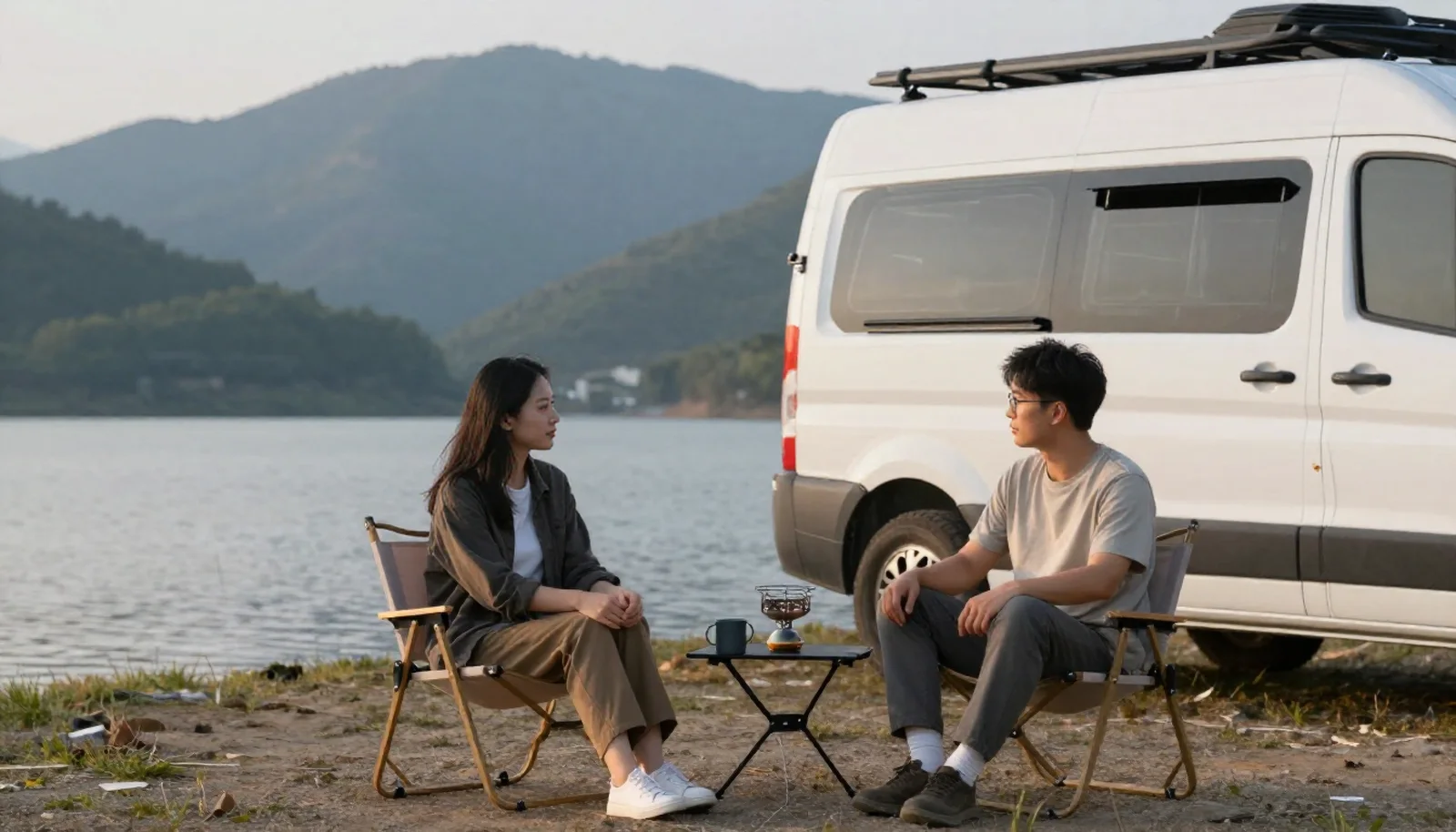
Campsites are the easiest choice for beginners. They usually offer showers, toilets, drinking water, waste disposal points and often electricity, and staff can answer questions. In busy seasons and popular areas, booking ahead is often a good idea.
Wild camping, also called free camping, means staying overnight outside an official site. The rules vary greatly from one country to another and even between regions, towns and national parks. In some places it is tolerated under certain conditions, in others it is strictly forbidden and can lead to fines. Signs at car parks and beaches, local authority websites and campsite staff are good sources of information. If you are not sure whether it is allowed, do not stay. Some areas also have dedicated motorhome parking spots, which can be a middle option between a campsite and wild camping.
How do electricity, water and waste work in a campervan?
Most campervans have the same basic systems. Ask how each one works in your vehicle, because details differ:
- Electricity. A separate leisure battery usually powers the lights, the fridge and the sockets. It may charge while you drive, from solar panels or from a mains hook-up at a campsite. Without a hook-up, power is limited, so switch off what you do not need.
- Fresh water. The fresh water tank is filled at taps meant for that purpose. Ask whether the water from the tank is safe to drink; many travellers use it for washing and buy or filter drinking water.
- Grey water. Water from the sink and shower goes into a waste tank. Empty it only at designated disposal points, never into drains, rivers or the ground.
- Toilet. If the van has a chemical toilet, the cassette must be emptied at a proper disposal point. Follow the instructions and use gloves.
Check the tank levels every day. Running out of water or finding a full waste tank in a remote place is one of the most common beginner problems.
Gas safety, cooking and storage
Many campervans use bottled gas for cooking, heating or the fridge. Ask the rental company to show you how to open and close the gas, how to change a bottle and where the shut-off valves are. Follow their instructions on whether the gas should be off while driving.
Always keep the van ventilated when cooking, and never use a portable heater, barbecue or camping stove inside the vehicle. Check that a smoke alarm and a carbon monoxide alarm are fitted and working. If you smell gas, turn off the supply, open doors and windows, do not use flames or switches, and get out of the vehicle.
Space is limited, so keep things simple. One-pot meals, a few versatile ingredients and a small cool box for extra food work well. Before you drive off, put everything away and close cupboards and the fridge door, because loose items move a lot on bends and when braking.
How far should you drive each day?
Campervans are slower and heavier than cars, and setting up and packing up takes time. Many travellers find that a few hours of driving per day is enough, with some days of no driving at all. A relaxed pace leaves time for walks, shopping, filling water and simply enjoying the place.
Plan fuel stops in advance in rural areas, where stations can be far apart or closed at night. Mountain passes, old town centres and coastal roads can be narrow and steep; check whether a route is suitable for your vehicle's size and avoid entering historic centres when you can. Try to arrive before dark so you can find your spot and level the van.
The season also matters. In summer, popular areas fill up quickly and vans can get very hot. In colder months, some campsites close and nights can be cold, so check opening dates and the heating system. Mountain roads may also be affected by snow or closures outside summer.
Meeting people at campsites
Campsites are often friendly places. Neighbours swap tips about routes, quiet spots and where to empty tanks, and a short greeting is usually enough to start a conversation. Respect quiet hours, keep music low, do not walk through other people's pitches and keep an eye on lights shining into neighbouring vans.
If you would like to share part of your road trip with someone, mytripdate lets you see who is travelling to the same city on the same dates and send them a message. Look for verified profiles, get to know each other in chat first and meet in a public place before deciding to travel together.
How do you leave no trace?
Van travellers have a reputation to protect, and in some places wild camping has become more restricted because of litter and waste. Take all rubbish with you and separate it where recycling is available. Empty water and toilet tanks only at proper points, use biodegradable soap where possible and never wash dishes in rivers or lakes. Do not light fires unless it is clearly allowed, stay on existing roads and parking areas, and do not set up chairs and tables where camping is not permitted. Buying from local shops and markets is also a simple way to give something back to the places you visit.
Frequently asked questions
Do I need a special licence to drive a campervan?
Not always. Many smaller campervans can be driven with a standard car licence, but larger and heavier ones may need another category. Check the vehicle's weight with the rental company and the rules for your licence.
Is wild camping allowed abroad?
It depends on the country, region and even the town. It is allowed in some places, tolerated in others and forbidden in many. Always check local rules and signs, and use a campsite if in doubt.
How often do I need to fill and empty the tanks?
It depends on the tank size and how much water you use. Many travellers fill and empty every one to three days. Check the levels daily and use disposal points whenever you pass one.