There is a particular moment on every island-hopping trip. The ferry pulls away from the harbour, the town you have just got to know shrinks into a line of white houses, and the next island is already a grey shape on the horizon. Some people love that moment alone. Many others find it is better with someone beside them on the deck, pointing out the dolphins and arguing about where to eat when you land.
Greece and Croatia are two of the easiest places in Europe to try this kind of trip. Both have dozens of inhabited islands, regular ferries in summer and a long tradition of welcoming travellers. This guide looks at how to plan an island route for two, whether your partner is an old friend or someone you have only recently started talking to.
Why islands suit two travellers
Islands break a trip into natural chapters. Each one has its own pace, its own beaches and its own evening rhythm, and moving between them gives you a shared sense of progress that a single city rarely does. With a partner, those chapters become something you build together: one person chooses the next stop, the other finds the swimming spot, and the story of the trip belongs to both of you.
There are practical reasons too. Rooms and rental scooters often cost about the same for one person as for two, so sharing them can make a real difference to the budget. Late ferries, early starts and the occasional cancelled sailing are also easier to deal with when someone else is keeping an eye on the bags while you check the timetable.
The Greek islands: Santorini, Mykonos and beyond
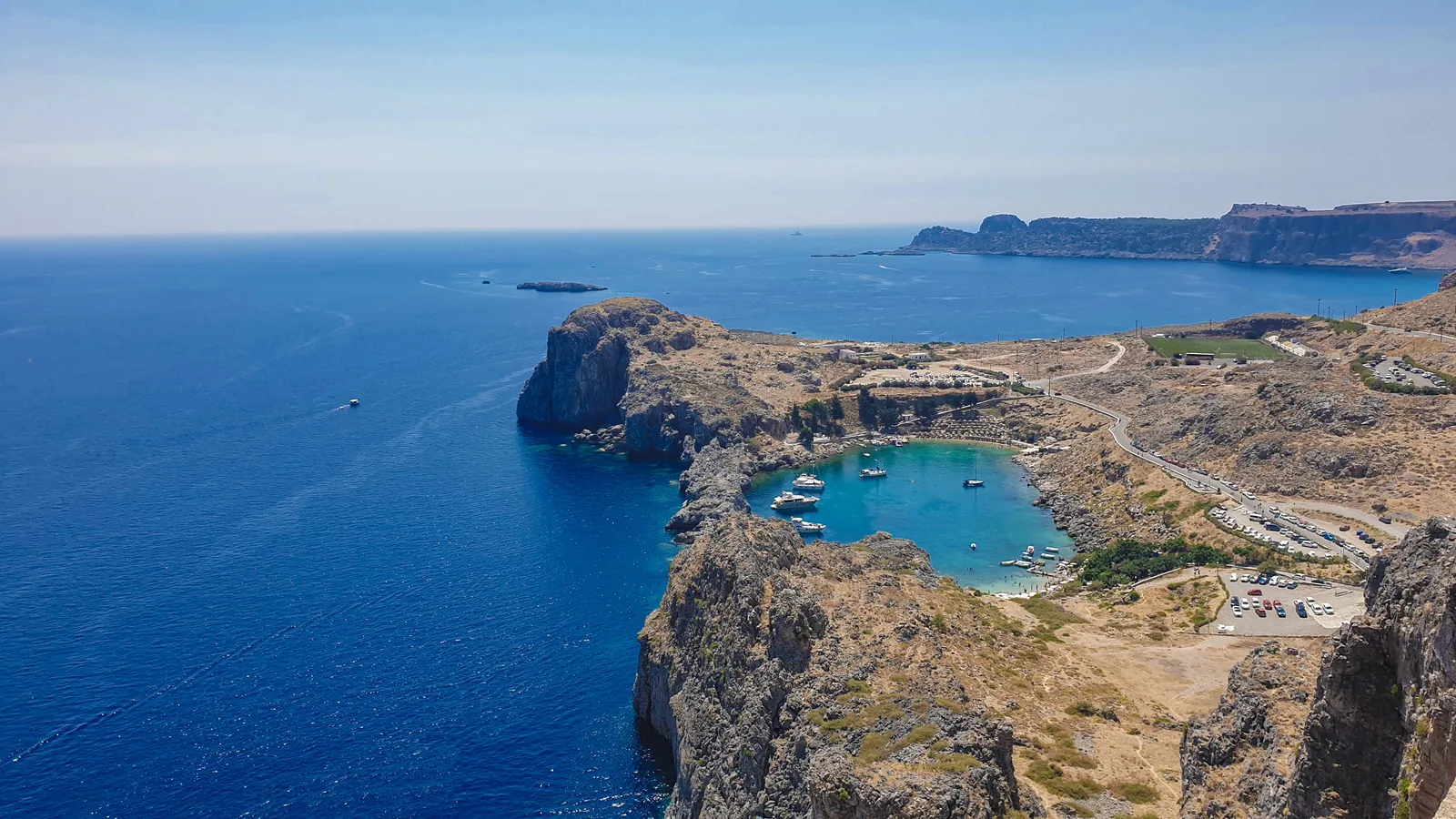
The Cyclades, in the middle of the Aegean, are the classic choice for a first island-hopping trip. Ferries from Piraeus and Rafina near Athens connect most of them, and in summer there are links between the islands themselves, so you can draw a loop rather than returning to the mainland each time.
- Santorini: villages perched on the rim of a flooded volcanic caldera and sunsets that draw crowds to Oia every evening. Stay a night or two, and consider watching the sunset from a quieter spot.
- Mykonos: whitewashed lanes, windmills above Little Venice and some of the busiest beaches and nightlife in the Aegean, with boats to the ancient sanctuary of Delos nearby.
- Naxos: the largest island in the Cyclades, with long sandy beaches, mountain villages and the marble gateway of the Portara at the harbour.
- Paros: a relaxed base between the others, with the fishing harbour of Naoussa and short ferry hops to Naxos and Antiparos.
Crossings range from well under an hour between neighbouring islands to most of a day on the slower boats from the mainland, and timetables change from season to season. Check the current schedule before you fix your nights, book ahead for July and August, and leave a spare day near the end in case a strong wind keeps the boats in port.
The Croatian islands: Dubrovnik, Split and Hvar
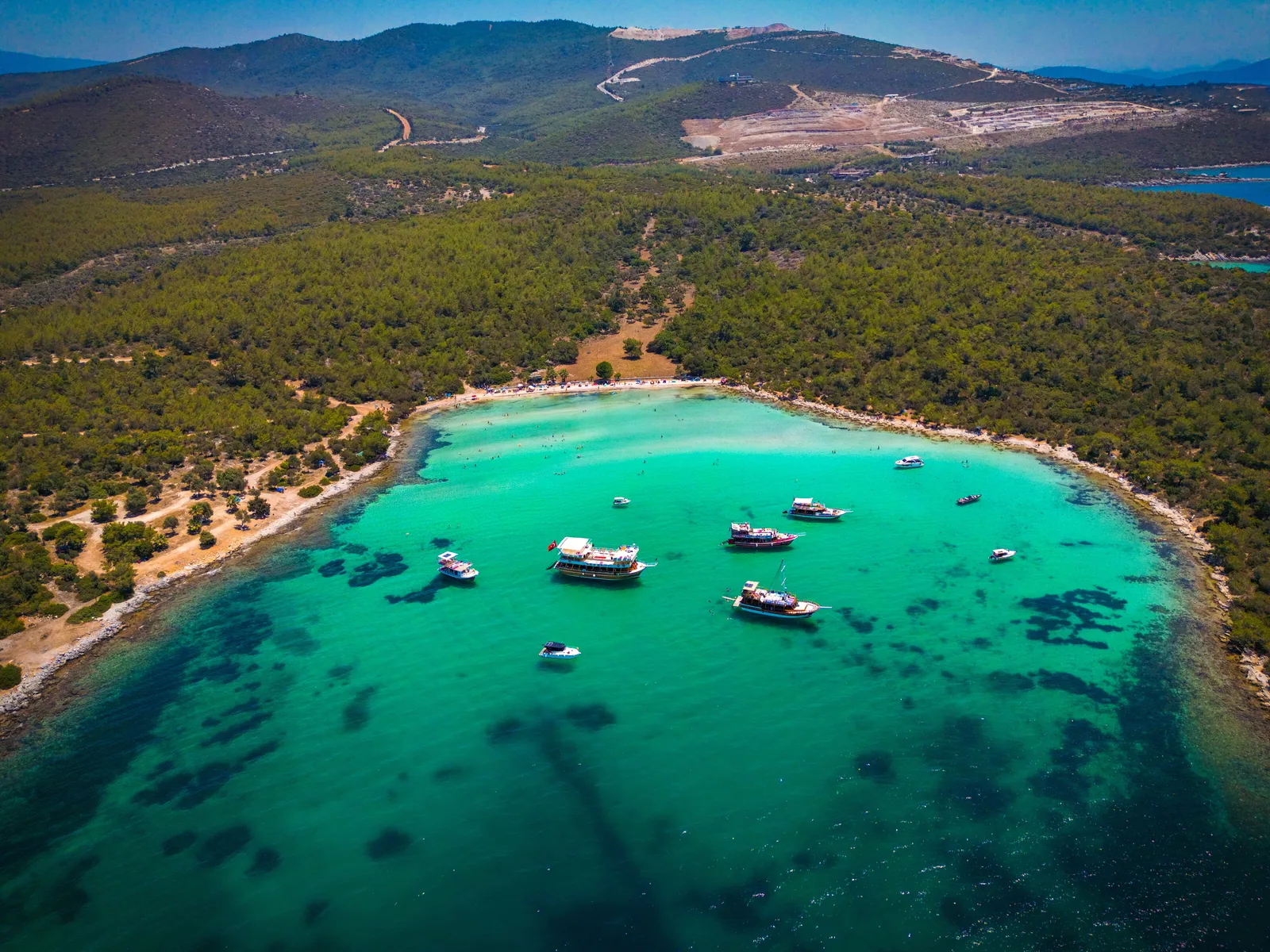
Croatia's Dalmatian coast offers a different mood: green pine-covered islands, stone harbour towns and water so clear you can see the bottom from the deck. Most routes run between a few mainland cities and the islands just off the coast.
- Dubrovnik: a walled old town best explored early or late in the day, when the lanes are quieter, with boats to the island of Lokrum and the Elaphiti Islands.
- Split: a lively city built around the remains of Diocletian's Palace and the main hub for catamarans and ferries to the central islands.
- Hvar: a stylish harbour town with busy summer evenings, and quieter villages such as Stari Grad on the other side of the island.
From Split, fast catamarans reach Hvar in around an hour, and routes continue to islands such as Brač, Vis and Korčula. A route from Split down to Dubrovnik with two or three island stops fits comfortably into a week or ten days. May, June and September are usually calmer and gentler on the budget than the peak of summer.
Agreeing on the pace before you go
Most disagreements on island trips are not about big things. They are about whether to catch the early ferry or sleep in, whether a day on the same beach is perfect or wasted, and whether dinner is at seven or at ten. Talk about these before you book. It is far easier to agree on a rough rhythm at home than to discover on day three that one of you wants four islands in a week and the other wants two.
A simple approach works well: let each person choose one or two things that matter most to them, and build the route around those. One wants the Santorini sunset, the other wants a quiet beach on Naxos; one wants the walls of Dubrovnik, the other a lazy day on Vis. When both lists are honoured, the rest of the days can stay flexible.
Plan some time apart too. A morning when one of you hikes and the other reads by the water is not a sign that something is wrong. On a trip where you share ferries, rooms and almost every meal, a few hours alone usually make the evenings together better.
Money, rooms and shared costs
Decide early how you will handle money. Some pairs keep a shared kitty for rooms, ferries and meals and pay for extras separately; others take turns or use an app to track who paid what. Any method is fine as long as you both agree on it before the first bill arrives. Prices for rooms and ferries change a lot between seasons, so treat any figures you find online as approximate and check them close to your dates.
If you are travelling with someone you do not know well, talk openly about sleeping arrangements as well as money. Separate rooms or a room with two beds are completely normal choices, and agreeing on them in advance removes pressure from both of you. Nothing about sharing a ferry route means you have to share anything more than that.
Finding the right travel partner
The best island partner is not always your closest friend. It is often someone whose rhythm is similar to yours: who wakes up at about the same time, enjoys the same mix of beaches and sights, and treats a missed ferry as a story rather than a disaster. Talking honestly about these habits before you travel tells you more than any number of shared photos.
On mytripdate, travellers create a profile, see who else is heading to the same islands and message each other before the trip. Some meet a partner for the whole route that way; others simply find someone to share a ferry, a day trip or a dinner in a harbour town they are both passing through.
Staying safe together
If your travel partner is someone you met online, meet in person before you commit to a long trip, ideally for a coffee or a day out in your own city. Share your route and accommodation with a friend at home, keep your own passport, money and phone with you, and make sure each of you can travel on alone if plans change. At sea, follow local advice on swimming spots and rental boats, and never swim alone after dark.
When it works, island-hopping with a partner leaves you with something more than photos: a shared map of harbours, ferries and evenings that only the two of you fully remember. Choose the islands with care, agree on the pace, and leave space for the days you did not plan.