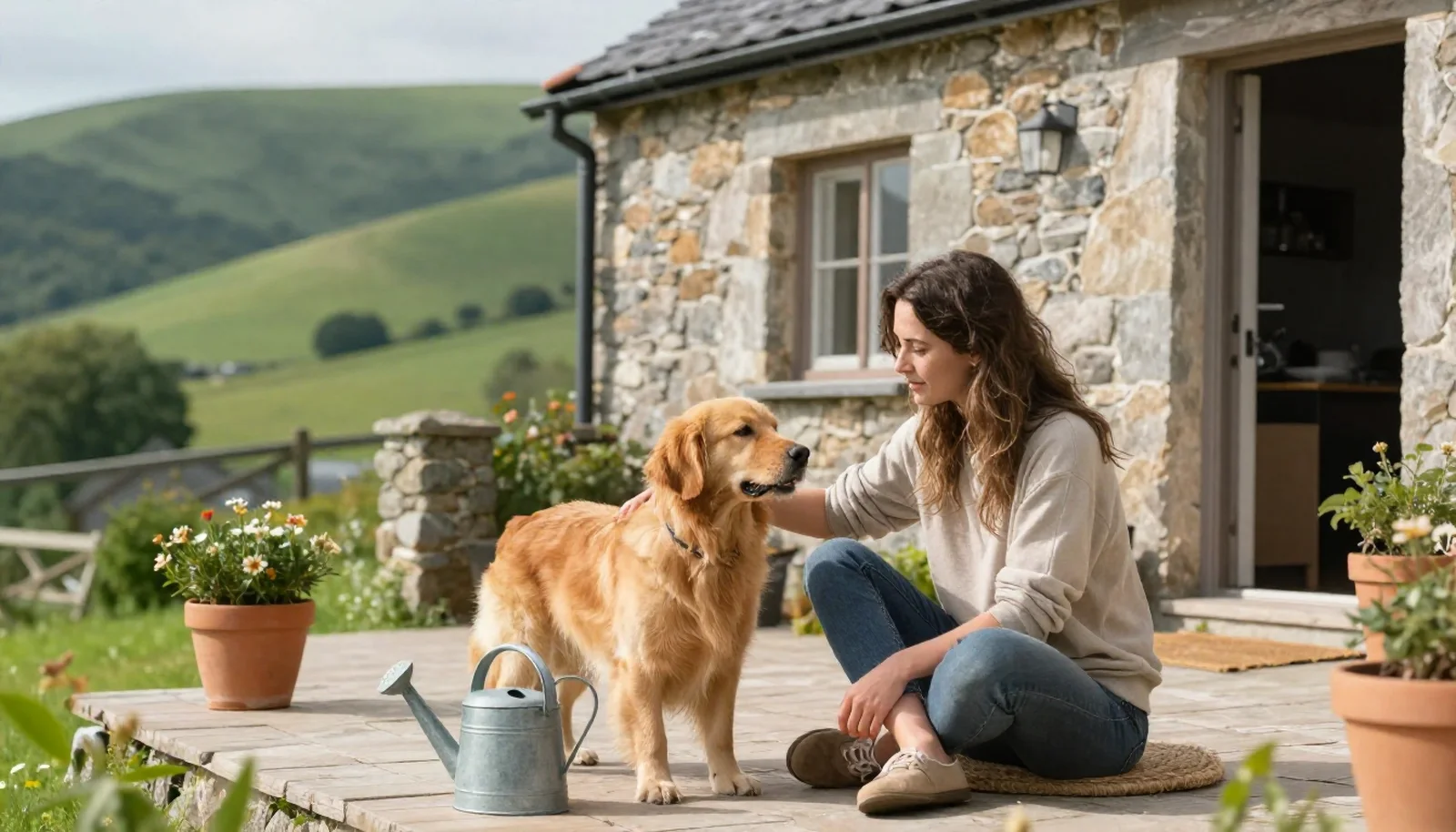
House sitting abroad means staying in someone's home while they are away and looking after it in return, usually including their pets. In most arrangements no rent is paid and the sitter is not paid either: the owner gets peace of mind, and the sitter gets a place to stay. Sits are usually found through membership platforms, and getting your first one depends mostly on a clear profile, good references and a careful conversation with the owner. Visa rules differ by country, so check what applies before you go.
It can be a wonderful way to travel more slowly, live like a local and spend time with animals. It is also a real responsibility. This guide explains how house sitting usually works, how to find a sit and what to agree on, so that both you and the owner know what to expect.
What is house sitting, and what does a sitter do?
A house sit is an agreement between a homeowner and a sitter. The owner is travelling and wants someone to live in the home, keep it safe and lived-in, and often care for pets that are happier staying at home than going to kennels. Sits can last a weekend or several months.
The tasks depend on the home, but often include:
- Caring for pets: feeding, walks, play, cleaning litter trays, giving medication and noticing if an animal seems unwell.
- Looking after the house: keeping it clean and tidy, locking up, collecting post and keeping an eye out for problems such as leaks.
- Garden and plants: watering, and sometimes simple garden work.
- Staying in touch: sending the owner updates and photos, especially of the pets.
Many sits ask you to be home for much of the day, particularly with dogs. That means a house sit is not a free base for full-day sightseeing; it is a slower way of travelling.
How do you find your first house sit?
Most sits are listed on dedicated house sitting platforms, where owners post their dates, location and pets, and sitters apply. Some people also find sits through friends, local community groups or by word of mouth. Compare a few platforms before choosing one: look at how many sits are listed in the regions you are interested in, how verification works and what support is offered if something goes wrong. Many platforms charge sitters a membership fee, often yearly, so check the current price and what it includes before you sign up.
For a first sit, it often helps to be flexible. Popular cities and summer dates attract many applicants, while sits in smaller towns, in the countryside or outside holiday seasons may have fewer. A short sit close to home can also be a good start, because it lets you gain experience and your first review.
How to build a profile that owners trust
Owners are trusting you with their home and their animals, so your profile matters more than anything else:
- Be honest about your experience. Describe the animals you have cared for, including your own pets, and any related experience. Do not exaggerate.
- Add references. Ask people who know you well, such as neighbours you have pet-sat for, a landlord or an employer, to write a reference. Some platforms let you add these before your first sit.
- Use clear, friendly photos. A photo of your face and, if you have one, a photo with an animal help owners picture you in their home.
- Complete any verification. If the platform offers ID or background checks, completing them can make owners more comfortable.
- Write personal applications. Mention the owner's pets by name and explain why this particular sit suits you. A copied message is easy to spot.
The conversation with the owner and a clear agreement
Before you confirm, have a video call with the owner. It lets you both ask questions and decide whether it feels right. Ask about the pets' routines and health, the house and the neighbourhood, and whether you will have internet access and a quiet place to work if you need one.
Then put the details in writing, even if it is only a shared message or document. A good agreement covers the exact dates and handover times, daily tasks, pet care and medication, the vet's details and what to do in an emergency, how often the owner wants updates, whether you can have visitors, use the car or leave the house overnight, and who pays for which costs. Some platforms provide templates for this. If anything is unclear, ask now rather than during the sit.
Ask the owner for a short welcome guide too: where things are, how appliances work, rubbish collection days and who to call if the boiler or the electricity stops working.
Do you need a visa or work permit to house sit?
This depends on the country, and the answer is not always simple. In some places, house sitting in exchange for accommodation may be seen as a normal visit; in others, unpaid tasks done in return for a benefit such as free lodging could fall under rules about work. Check the official immigration information for the country you are visiting, and if in doubt, contact its embassy or consulate. Your nationality, the length of your stay and what you will do all matter.
Be honest at the border about the purpose of your visit and where you will be staying. Also make sure your travel insurance covers the whole period, including any longer stays.
Staying safe and meeting the neighbours
A few sensible steps help protect both you and the owner:
- Check the listing and the owner. Look at their reviews, keep communication on the platform where possible, and be careful with anyone who asks for money or personal documents outside the normal process.
- Share your plans. Give someone you trust the address of the sit and the dates.
- Keep emergency contacts. Save the owner's number, a local contact person, the vet and the local emergency number.
- Meet the neighbours. If the owner agrees, ask to be introduced to a neighbour. They can help with local tips, and it is good for someone nearby to know who you are.
Long sits can be quiet, especially in a new country. On mytripdate you can see who will be in the same city on the same dates and send them a message, which can be a way to find company for a walk or a coffee while you are settled in one place. Chat on the site first, check whether the profile is verified and meet in public places. Do not invite people you have just met into the owner's home unless the owner has agreed.
Frequently asked questions
Do house sitters get paid?
In the most common arrangement, neither side pays: the sitter receives accommodation in exchange for care. Paid pet sitting exists too, but it is a different arrangement and may have its own legal and tax rules.
Is house sitting really free?
The stay itself usually costs nothing, but you often pay for a platform membership, your travel to the sit, food and daily costs. Agree in advance who pays for things like utilities, pet food or a vet visit.
Can I house sit with no experience?
Yes, many people start without reviews. References from people who know you, honest descriptions of your experience with animals and a careful application can help you get a first sit.
What happens if something goes wrong during a sit?
Contact the owner straight away. For a pet emergency, call the vet first. Follow what you agreed in advance, keep records and receipts, and contact the platform if you need support.
The bottom line
House sitting abroad is an exchange: you look after someone's home and animals, and in return you get a place to stay and a chance to experience a place slowly. Start with an honest profile, be flexible with your first sit, agree everything clearly in writing and check visa rules for your destination. Done with care, it can lead to good experiences for both sitters and owners.