Before you book a trip, check whether your dates overlap with a public holiday, a major religious celebration or a big local festival. These periods can mean closed shops, museums and banks, full trains and buses, higher accommodation prices and large crowds, but also a chance to see a place at its most lively. Dates can change from year to year, so confirm them on official sources such as government or tourism websites, then decide whether to avoid those days or plan your trip around them.
This guide explains what usually changes during local holidays and festivals, how to prepare, and how to behave respectfully as a visitor. It is general advice: customs and rules differ a lot between countries, regions and even neighbourhoods.
Why check local holidays and festivals before you book?
Holidays that mean little to you at home can shape daily life at your destination. A national day, a religious holiday or a school break can change opening hours, prices and the mood of a whole city. Travellers who only find out on arrival sometimes spend their first day looking for an open pharmacy or a free room.
Knowing in advance does not mean you have to change your plans. It simply lets you choose: book early, adjust your itinerary or pick different dates. It also helps you understand what you are seeing, which makes the experience richer and helps you avoid causing offence by accident.
How do you check holiday and festival dates?
Many holidays do not fall on the same date every year. Some follow lunar or other traditional calendars, some are tied to a particular weekday, and some local festivals are scheduled by the organisers each year. A list you found online last year may already be out of date. To get it right:
- Use official sources. Look at the official tourism website of the country, region or city, and at government pages that list public holidays.
- Check regional holidays too. In some countries, regions or cities have their own holidays that national lists may not show.
- Look at the days around the holiday. Some places turn a holiday into a long weekend, or people take extra days off, so the busy period can last longer than the official date.
- Ask your accommodation. Hosts and hotel staff usually know what will be open, what will be busy and whether anything special is planned locally.
If an exact date has not been confirmed yet, plan with some flexibility and check again closer to your trip.
What changes: closures, transport and prices
The effects depend on the place and the occasion, but these are the things worth checking:
- Shops, museums and banks. Many may close or open for shorter hours, especially on the main day of a national or religious holiday. Check the websites of places you really want to visit, and do not assume normal opening times.
- Everyday services. Offices, some pharmacies and other services may be closed. If you need medicine or cash, sort it out before the holiday starts.
- Transport. Trains, buses, ferries and flights often fill up early when many people travel at the same time. Timetables can also change, with fewer services on the day itself.
- Accommodation. Prices often rise during popular holidays and festivals, and well-located rooms can sell out early. Booking ahead and reading the cancellation policy carefully can help.
Restaurants are a mixed picture: some close so staff can celebrate with their families, while others are fully booked. If eating at a particular place matters to you, reserve a table or ask your host for suggestions.
Crowds and safety during big celebrations
Large gatherings are usually joyful, but crowds bring practical risks. Pickpocketing can be more common in packed streets, roads may be closed, and it can be hard to find each other if you get separated. Agree on a meeting point with your companions, keep your phone charged and carry only what you need.
Follow the instructions of local authorities and event staff, and check official announcements about road closures, restricted areas or changed transport routes. If a space feels too crowded, step back and move somewhere quieter. Drink water, take breaks and be careful with alcohol, especially in a city you do not know well.
How should you behave during religious holidays and fasting periods?
Religious holidays and fasting periods are meaningful to the people who observe them. As a visitor you are not expected to take part, but showing respect makes a real difference. Customs vary widely, so these are general points rather than rules:
- Read up before you go. Find out roughly what the occasion means and whether there are local expectations for visitors, for example around eating in public, dress or quiet hours.
- Dress modestly at religious sites. Covering shoulders and knees is a sensible default, and some places have their own dress rules.
- Be considerate about food and drink. During fasting periods, many visitors avoid eating, drinking or smoking in front of people who are fasting. Check what is customary or expected where you are.
- Follow the lead of locals. If you are unsure, watch what others do or politely ask.
Opening hours often change during these periods too. Some places open later or close earlier, while evenings can be lively when families and friends get together.
Joining a festival: etiquette and meeting people
Many festivals welcome visitors, but some events are private, religious or community gatherings. A few simple habits help you join in the right way.
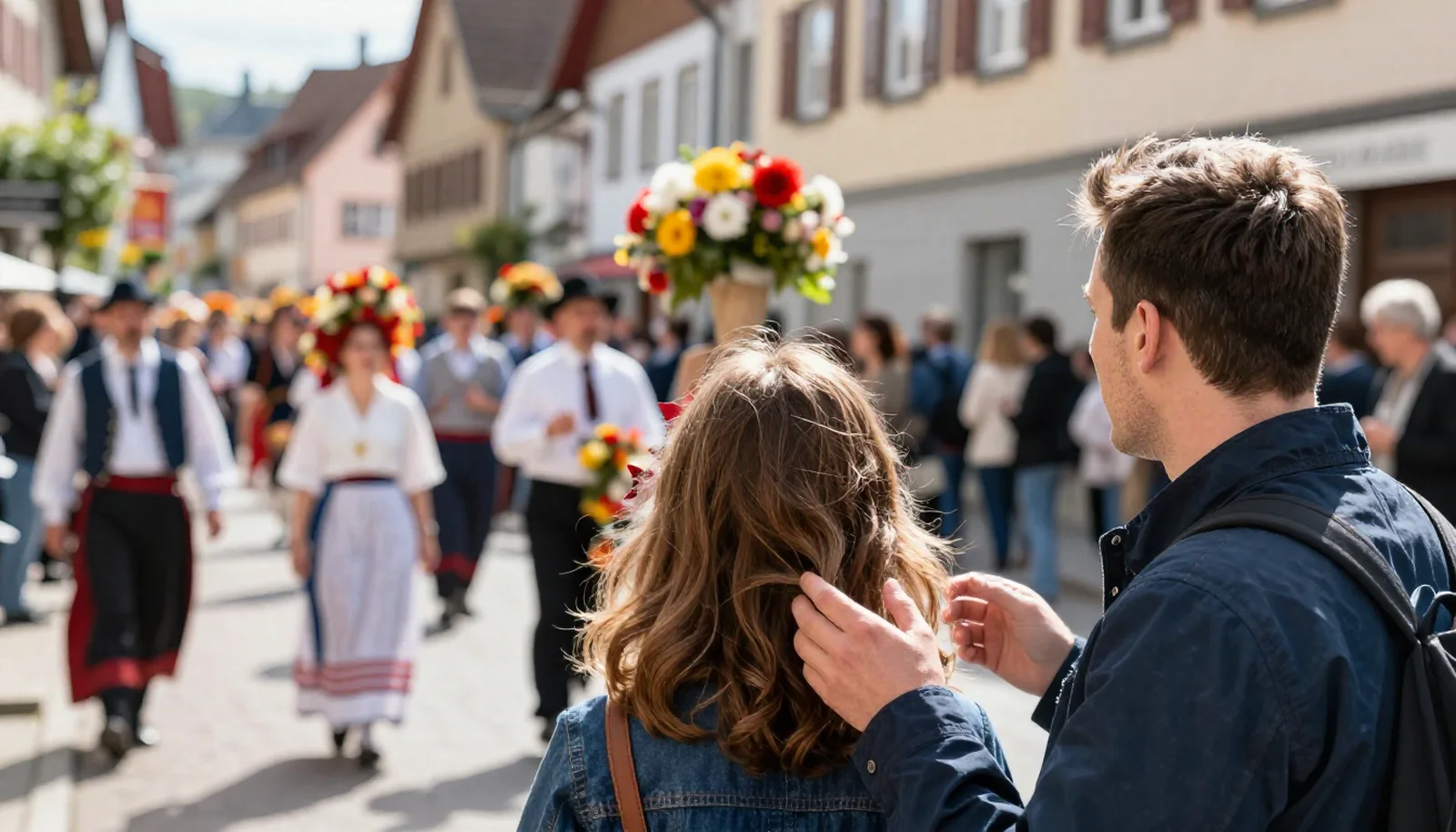
Wait to be invited. Public parades and street events are usually open to everyone, but family celebrations, ceremonies and some processions may not be. If someone invites you in, accept graciously and ask what is expected of you.
Ask before taking photos. Always ask before photographing people, especially during prayers, ceremonies or private moments, and respect it if someone says no. Some sites do not allow photography at all.
Dress for the occasion. Some festivals have traditional clothing or colours. Wearing them can be welcome, but ask a local first, because some garments and symbols carry religious or cultural meaning.
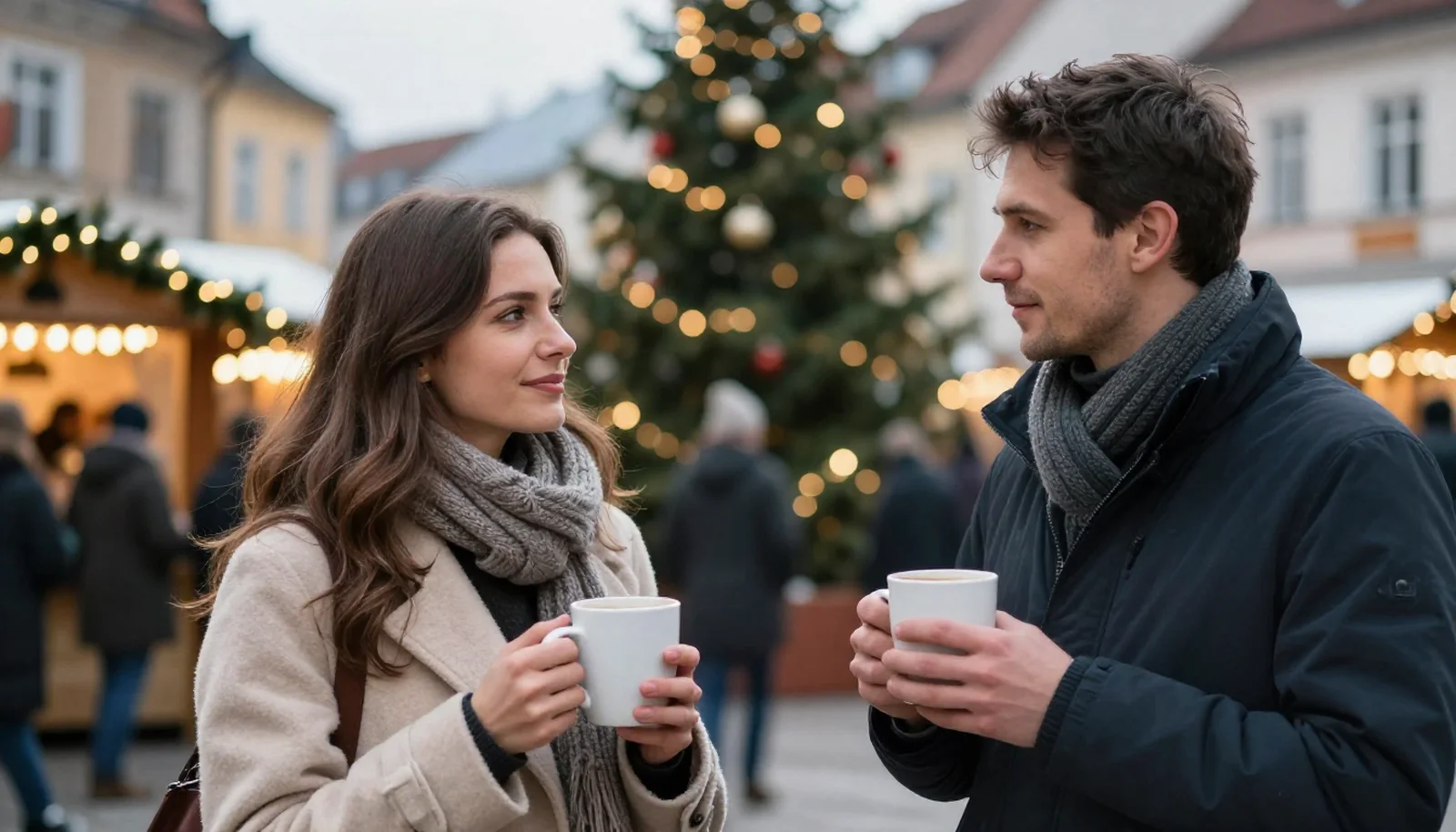
Festivals are also a natural time to meet people. Locals are often happy to explain their traditions, and you are likely to come across other travellers who came for the same event. On mytripdate you can see who is travelling to the same city on the same dates and send them a message, which can make it easier to find someone to explore the festival with. Chat on the site first, look for a verified profile and meet in a busy public place.
Should you avoid holiday dates or plan your trip around them?
Both are reasonable choices. If you want quiet museums, normal opening hours and lower prices, it may be better to travel before or after the holiday. If you want to experience a festival, plan your trip around it: book transport and accommodation early, accept that some places will be closed and leave room in your schedule for the unexpected.
Whichever you choose, the key is to decide knowingly rather than finding out on arrival. A quick look at the official calendar before you book can save you money, time and stress.
Frequently asked questions
Where can I find reliable dates for public holidays?
Use official government pages and the national or city tourism website. The dates of some holidays change every year, so check again shortly before you travel.
Is it more expensive to travel during festivals?
Often, yes. Accommodation and transport tend to cost more and sell out sooner during popular events, so book early if you want to go.
Can tourists visit during religious holidays?
Generally yes, but some sites may close or have restrictions. Dress modestly, follow local customs and ask if you are unsure.
How do I know whether a festival event is open to visitors?
Check the official event or tourism information, or ask your host. If you are not sure whether a ceremony is public, watch from a respectful distance.