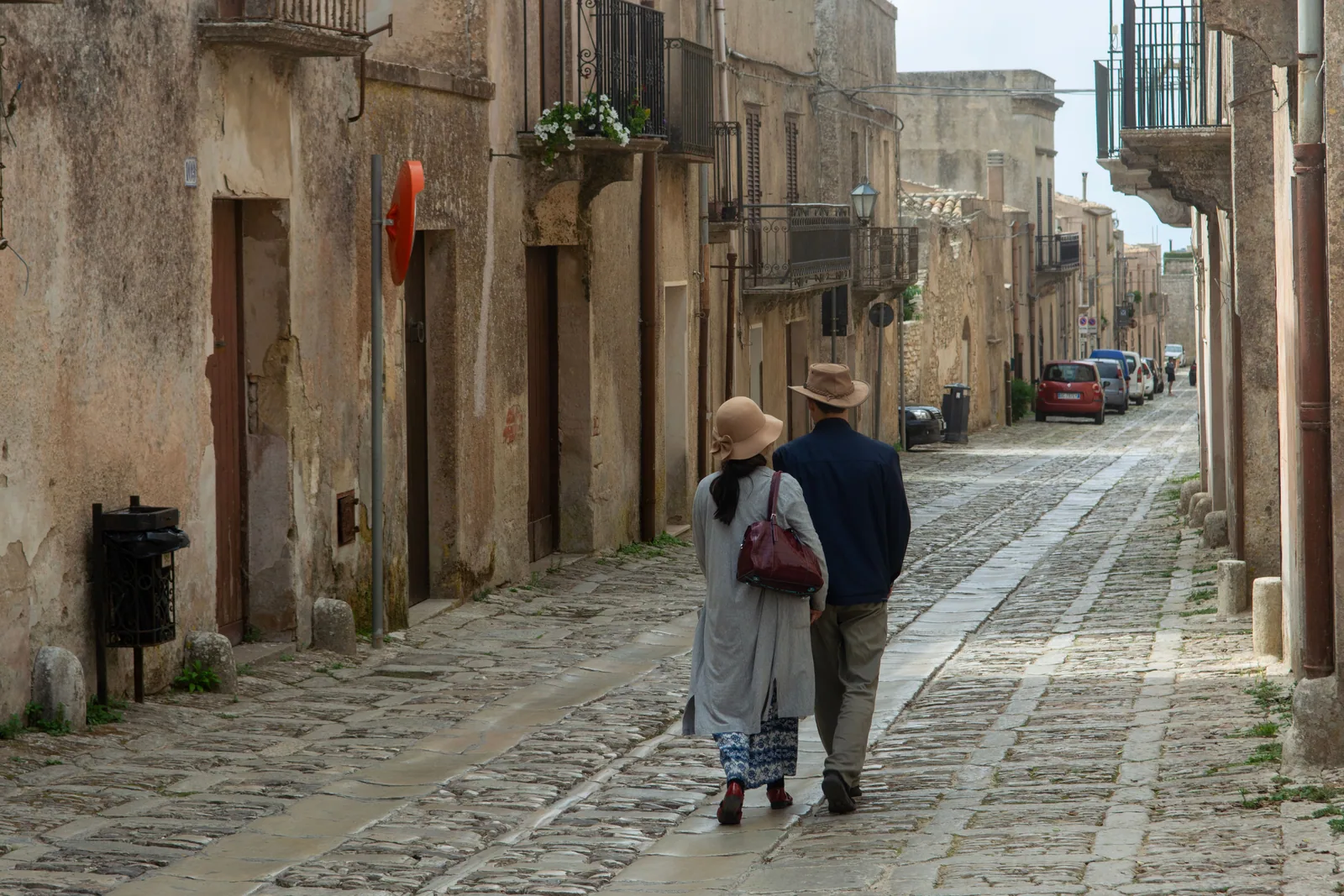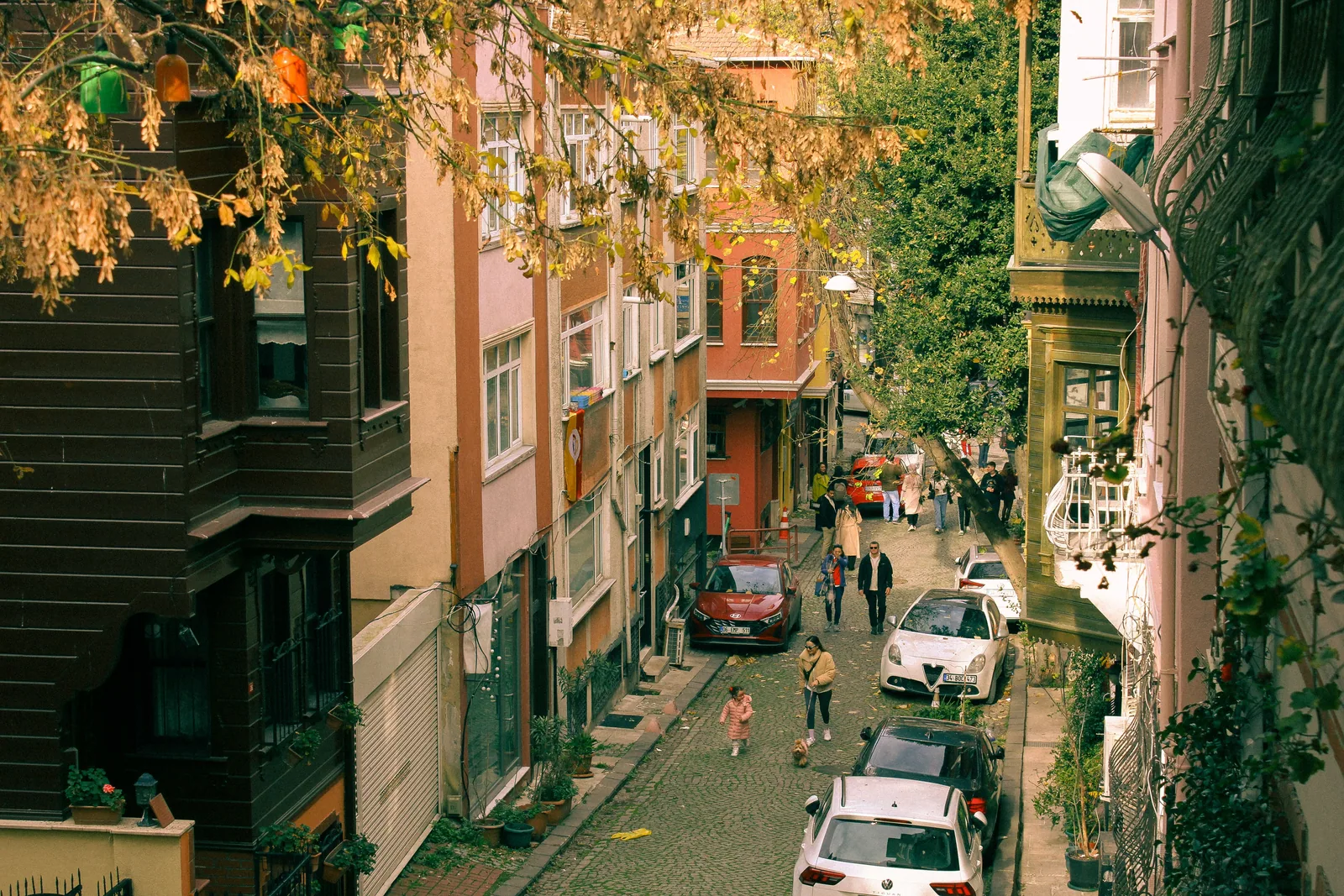
Most people plan their holidays around the same few weeks: school breaks, long weekends, the height of summer. The result is familiar. Beaches are full, prices go up, restaurants are rushed and everyone around you is a tourist in a hurry. There is another option that experienced travellers keep coming back to: the shoulder season, the weeks just before and just after the busiest time of year.
What the shoulder season is
There is no single date. In much of the Mediterranean, it usually means roughly May to early June and mid-September to October. In northern Europe, late spring and early autumn play the same role. In tropical destinations, it is often the edge of the rainy season, when showers are short and the landscape is green. The idea is the same everywhere: the weather is still pleasant, but the crowds have not arrived yet, or have already gone home.
Why it is easier to meet people
Locals have time. In peak season, waiters, guides and shop owners are working flat out. A few weeks later, the same people have time for a conversation, a recommendation or a coffee. Many will tell you this is their favourite part of the year.
Travellers are more open. People who travel outside peak season tend to be flexible, curious and often travelling alone or as a pair. They are not on a tight family schedule, and they are usually happy to share a table, a tour or a tip.
Smaller groups, real conversations. A walking tour with eight people is a very different experience from one with forty. A hostel common room or a guesthouse breakfast table with a handful of guests makes it natural to start talking.
Less noise, more attention. When bars and squares are calmer, you can actually hear each other. Conversations last longer and feel less rushed.
Practical advantages
- Prices. Accommodation and flights are often cheaper than in peak weeks, though this varies by destination and year, so always compare.
- Availability. It is easier to find a room at short notice, which suits travellers who like to adjust plans after meeting someone.
- Weather. In many places, spring and autumn are more comfortable for walking, hiking and sightseeing than the hottest months.
- Local life. You see a place as its residents live it, not only as a stage for visitors.
A few things to check
The shoulder season is not perfect everywhere. Some islands and small resort towns close many businesses outside the main season, and ferry or bus timetables may be reduced. Weather can be less predictable, so pack a layer and keep a flexible day. Before you book, check opening dates for the places that matter to you and look at current transport schedules rather than assuming summer timetables.
Destinations where it works especially well
Coastal Turkey in May or late September is a good example: the sea is warm enough to swim, boat trips still run, and towns such as Kaş, Fethiye or Bodrum are lively without being packed. The Greek and Croatian islands are calmer and friendlier in June and September. Cities like Porto, Seville, Krakow or Edinburgh are pleasant to explore on foot in spring and autumn, when queues are shorter and evenings are mild. The right months depend on where you are going, so treat these as examples rather than rules.
Finding company in the quieter weeks
Fewer tourists also means fewer chance encounters, so it helps to plan a little. On a travel-partner site like mytripdate, you can look at who will be in the same city on the same dates and start a conversation before you arrive. Walking tours, cooking classes, language exchanges and group hikes are good places to meet people in person, and in the shoulder season they are usually small and relaxed.
If you meet someone online first, the usual habits apply: chat on the site for a while, check whether their profile is verified, and keep the first meeting short and in a public place. Calmer weeks make that easier, too: a quiet café or a museum visit is a natural first plan.
Planning your shoulder-season trip
- Pick the destination first, then look up its shoulder months; they differ from place to place.
- Check whether the activities you care about are running on your dates.
- Leave one or two days unplanned for invitations and recommendations from people you meet.
- Book accommodation with good common areas or a host who likes to chat.
- Let people know your dates in your profile so others travelling at the same time can find you.
The bottom line
Travelling just outside peak season is not only about saving money or avoiding queues. It changes the kind of trip you have. With more time, more space and more open people around you, it becomes much easier to turn a short conversation into a shared day, and sometimes into a friendship that outlasts the trip.