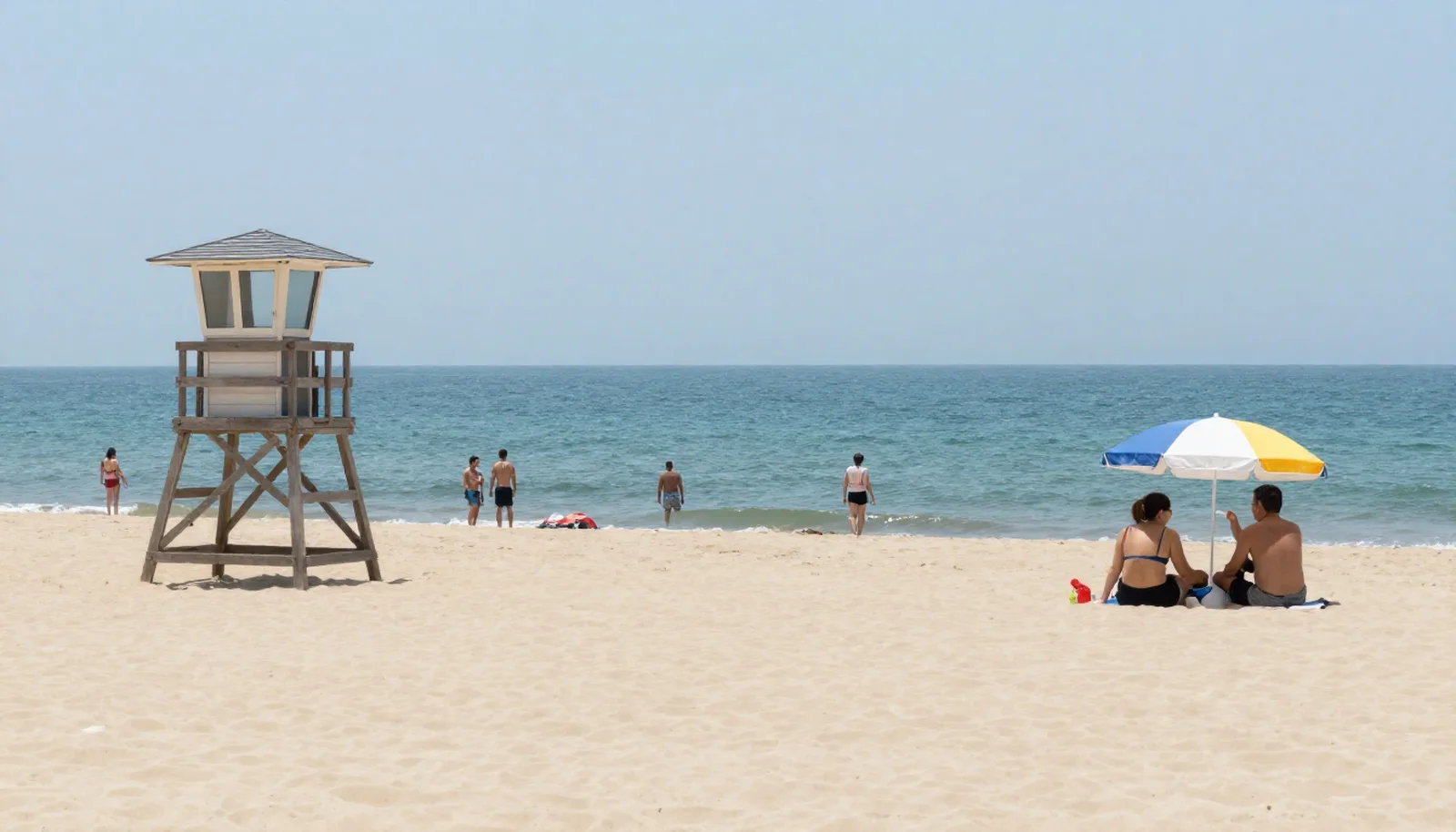
To stay safe at the beach abroad, swim at beaches with lifeguards and inside the marked swimming areas, check the warning flags and signs at that particular beach, learn to recognise rip currents, and keep alcohol and water apart. If a current pulls you away from the shore, do not fight it: stay calm, swim parallel to the shore, or float and signal for help. Protect yourself from the sun, choose boat and water sport operators carefully, and avoid swimming at night, especially with people you have only just met.
The sea can look calm and still be dangerous, and conditions at an unfamiliar beach are hard to judge. This guide offers general information, not professional advice. Rules, flag systems and emergency numbers differ from country to country, so check the local emergency number when you arrive and follow what lifeguards and official signs tell you.
How do you choose a safe beach?
The most useful choice you can make is to swim where there is a lifeguard service. Lifeguards know the local currents, watch the water and can reach you quickly. When you pick a beach, look for:
- Lifeguards on duty. Check the hours too. Some beaches have lifeguards only in certain months or at certain times of day.
- Marked swimming areas. Many beaches mark a zone with flags, buoys or ropes. Stay inside it and away from areas used by boats or jet skis.
- Information boards. Signs at the entrance often explain the flags, local hazards and the emergency number.
- Local advice. Ask your accommodation or the lifeguards whether the beach has strong currents, sudden drops or rocks.
A quiet, empty beach may look inviting, but if something goes wrong there may be nobody to help. If you swim at a beach without lifeguards, stay in shallow water, do not go in alone, and make sure someone on the shore is watching you.
What do beach warning flags mean?
Many beaches use coloured flags to show whether swimming is allowed and what dangers there are, such as strong currents, high waves or marine life. The difficulty for travellers is that the colours and their meanings are not the same everywhere. A flag that means one thing at home may mean something different on your holiday beach.
Do not rely on memory or on a chart you found online. Read the board at the beach, which usually explains the local system, or ask the lifeguard. Flags can also change during the day as conditions change, so look again when you come back from lunch. If a flag or a lifeguard says that swimming is not allowed, stay out of the water, even if other people are swimming.
How do you spot a rip current and what should you do?
A rip current is a strong, narrow flow of water moving away from the shore. It can carry even good swimmers out quickly, and it is often hard to see from the beach. Signs that may point to a rip current include:
- a gap in the line of breaking waves, where the water looks calmer;
- a channel of darker, deeper-looking or choppy water;
- foam, seaweed or sand moving steadily out to sea;
- a patch of water that looks different in colour from the water around it.
Not every rip current shows these signs, which is one more reason to swim in the area that lifeguards are watching. If you are caught in one, the widely recommended advice is:
- Stay calm. A rip current pulls you away from the shore, not under the water. Panic uses up energy you need.
- Do not swim straight against it. Even strong swimmers can become exhausted that way.
- Swim parallel to the shore. Once you are out of the current, swim back towards the beach at an angle, or let the waves help carry you in.
- If you cannot swim out, float and call for help. Stay on the surface, raise one arm and shout so that lifeguards or people on the beach can see you.
If you see someone else in trouble, do not swim out to them unless you are trained to. Alert a lifeguard, call the local emergency number and, if you can, throw them something that floats.
Alcohol, diving and marine life
Alcohol and swimming do not mix. Drinking affects your judgement, balance and reaction time, and it makes you more likely to overestimate your strength. Save the drinks for after your swim, and do not encourage friends to swim after drinking either.
Never dive or jump head first into water you do not know. The depth can change with the tide, and rocks, sandbanks or other objects may be hidden just below the surface. Check the depth first and go in feet first.
Some beaches have jellyfish, sea urchins or other animals that can sting or injure you. Look for local warnings, ask lifeguards what to watch out for, and consider wearing water shoes on rocky shores. If you are stung or hurt, ask a lifeguard, a pharmacy or a local medical service what first aid they recommend.
Sun, heat and drinking enough water
Sunburn and heat exhaustion can spoil a trip as quickly as an accident in the water. Sun and heat at the beach are often stronger than they feel, because the wind and the water keep you cool. A few habits help:
- Use sunscreen and reapply it, especially after swimming or drying off with a towel.
- Find shade in the hottest hours and wear a hat and sunglasses.
- Drink water regularly, not only when you feel thirsty, and remember that alcohol does not replace water.
- Know the warning signs. Dizziness, headache, nausea or unusual tiredness may mean you have had too much heat. Move to the shade, cool down and get medical help if you do not feel better.
Boats, water sports and your belongings
When you hire a boat, kayak or jet ski, or join a snorkelling or diving trip, choose the operator carefully. Read recent reviews, ask whether they hold the licences required locally, and check that there are life jackets that fit everyone, including you. A reliable operator gives a short safety briefing, checks the weather and will not take you out if conditions are bad. Wear the life jacket, do not rush, and tell someone where you are going and when you expect to be back. Some activities require a licence or training depending on the country, so check before you book.
Beaches are also common places for theft. Bring only what you need, leave your passport and spare cards in your accommodation's safe if there is one, and never leave your phone or wallet unattended on your towel. A waterproof pouch, or taking turns to swim with a friend, can help.
Is it safe to swim with people you have just met?
A day at the beach is a natural way to spend time with new friends while travelling, but some situations call for extra care. Avoid swimming at night: lifeguards are usually gone, currents and hazards are hard to see, and nobody may notice if you get into difficulty. This matters even more with people you have only just met, and after drinking. Choose a beach with lifeguards during the day, let someone you trust know where you are, and keep your own way back to your accommodation. On mytripdate you can see who is travelling to the same city on the same dates and message them first, and a verified profile can help you decide whom to meet. Meeting at a busy beach in daylight is a sensible start.
Frequently asked questions
Is it safe to swim at a beach without lifeguards?
It is riskier, because nobody is watching the water. If you do swim, stay in shallow water, never go in alone and ask locals about currents first.
Do beach flag colours mean the same in every country?
No. Flag systems differ between countries and sometimes between beaches. Always read the local board or ask a lifeguard.
What should I do if I see someone caught in a rip current?
Do not swim out to them unless you are trained to. Alert a lifeguard, call the local emergency number and throw them something that floats.
Is it all right to swim after a drink or two?
It is safest not to. Even a small amount of alcohol can affect your judgement and reactions in the water, so swim first and drink later.