To stay safe on a night out abroad, plan how you will get home before you leave, keep your phone charged and your accommodation address written down, drink at a pace you are comfortable with and keep your drink in sight. Go out with people you trust and come back together, carry only the money you need, and if you or a friend suddenly feel much worse than expected, get help from staff or medical services straight away. Rules, transport and emergency numbers differ between countries, so check local information before you go.
Bars, clubs and late-night streets are where many travellers make their best memories. A little preparation does not spoil the fun; it simply means you can enjoy the night with fewer worries. This guide focuses on nightlife. If something does go wrong, it is never the fault of the person it happens to, and asking for help is always the right thing to do.
How should you plan a night out in a new city?
Most problems at night are easier to handle when a few things are sorted out in advance:
- Know your way home. Before you go out, check how you will get back: last train or bus times, a licensed taxi rank or a ride app that works in that country. Avoid unmarked cars offering rides on the street.
- Charge your phone. Leave with a full battery and, if you can, a small power bank. Your phone is your map, your ride and your way to call for help.
- Write down your address. Keep the name and address of your accommodation on paper, ideally in the local language too, so you can show it to a driver even if your phone dies.
- Tell someone your plans. Let a friend or travel companion know where you are going and roughly when you expect to be back.
- Look up the emergency number. It differs between countries. 112 works across the European Union and in many other places, and 911 in the United States and Canada, but always check the number for where you are.
It also helps to take a quick look at the area during the day, so the streets feel familiar when you walk them at night.
How much should you drink when you are abroad?
Only you know your limits, and they may feel different on holiday. Jet lag, heat, tiredness and an empty stomach can all make alcohol hit harder than usual. Local drinks can also be stronger than you are used to: spirits, homemade drinks, cocktails and even beer may be served in larger measures or with a higher alcohol content. If you are not sure, ask what is in it, start slowly and drink water in between.
Keep your drink with you and in sight, and if you put it down and lose track of it, it is fine to simply get a new one. Watching your drink being poured and accepting drinks only from the bartender or people you trust are simple habits, not a sign of distrust. Saying no to another round is always fine.
What are the signs of drink spiking?
Drink spiking means someone adds alcohol or drugs to a drink without the person knowing. It can happen to anyone, whatever they are drinking, including soft drinks. Possible signs include:
- feeling far more drunk than you would expect from what you have had
- sudden dizziness, confusion, nausea or difficulty speaking
- trouble standing, moving or staying awake
- gaps in memory, or a friend who suddenly does not seem like themselves
If you notice these signs in yourself or a friend, act quickly. Tell the bar staff or security, stay with someone you trust, and call the emergency number or get medical help if the symptoms are severe or getting worse. Do not leave with someone you do not know, and do not let an affected friend go home alone. Some substances can only be detected for a short time, so if you want to report it, tell the police and medical staff as soon as you can.
Going out with friends and meeting new people
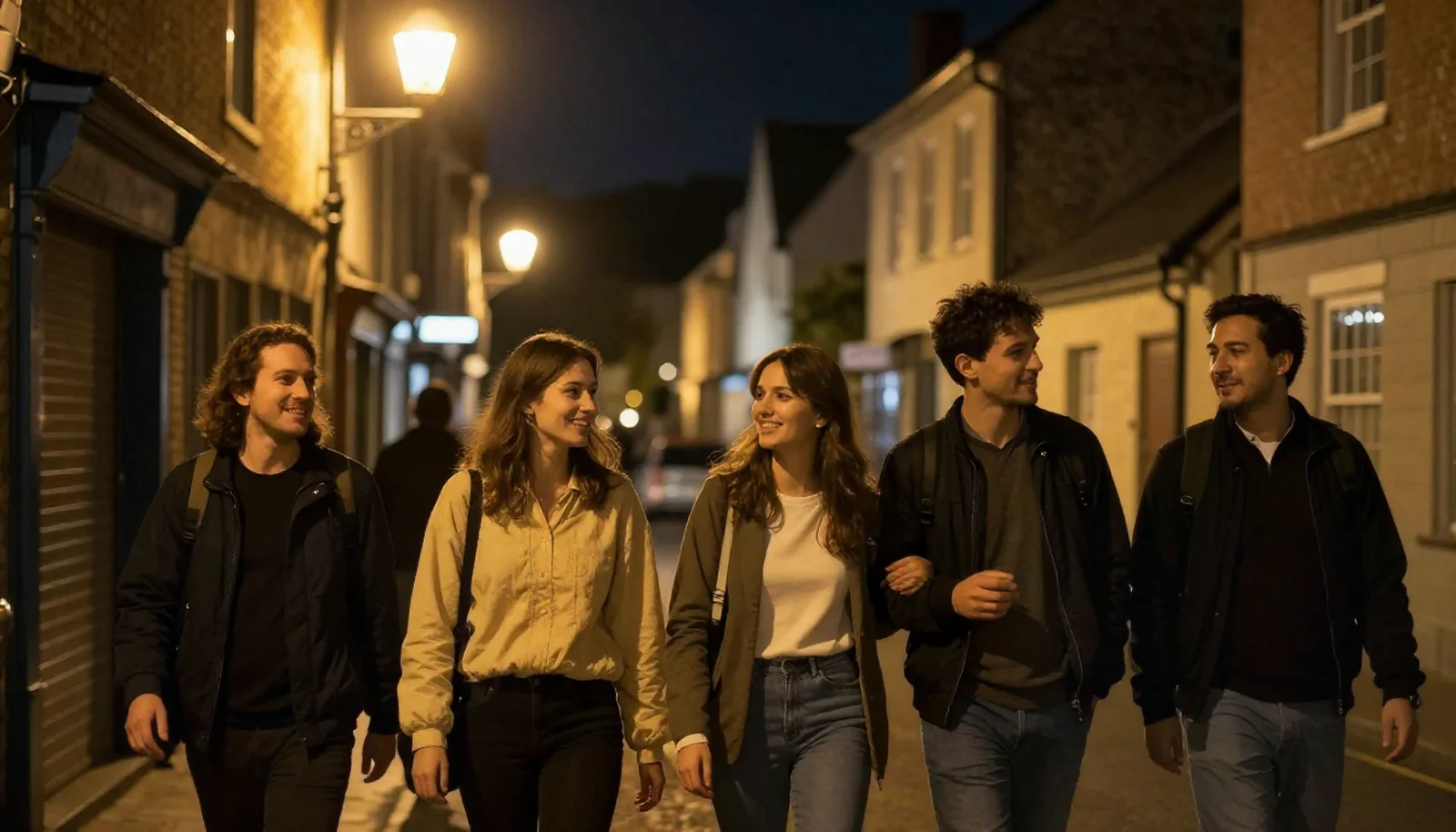
Going out together and coming back together is one of the simplest ways to stay safe. Agree on a meeting point in case you get separated, check in with each other during the night and make sure everyone has a way home before anyone leaves. If a friend wants to stay longer or go somewhere else, make sure they have a charged phone and a plan.
Nightlife is also a great way to meet people, and it is fine to set your own boundaries while doing it. You do not owe anyone your company, your address or another drink. Some travellers prefer to get to know people before the night out: on mytripdate you can see who is in the same city on the same dates, chat by message first and look for verified profiles, which can make it easier to plan a first drink with someone. Whoever you meet, choose a busy place, arrange your own way home and keep your friends updated.
Money, door scams and inflated bar bills
Carry only the cash and the one card you need for the night, and keep a backup card and your passport somewhere else, such as your accommodation. Check prices before you order, especially in places without a visible menu, and keep an eye on your bill. When you pay by card, keep the card in sight.
In some nightlife areas, bars lure visitors in with friendly invitations, free entry or a "special offer" and then present a very high bill. Be careful if someone you have just met on the street insists on a particular bar, if prices are not shown, or if staff will not tell you what a drink costs. If you feel pressured to pay a bill that seems wrong, stay calm, avoid confrontation and, if needed, contact the local police or your card issuer afterwards.
Drugs and the law: check before you go
Drug laws vary enormously from country to country, and in some places the penalties for possession or use are very severe, even for small amounts. Something that is tolerated in one country may be a serious crime in the next, and being a foreign visitor does not protect you. Check your government's official travel advice for the country you are visiting, and never carry anything for someone else.
What should you do if something is lost or stolen at night?
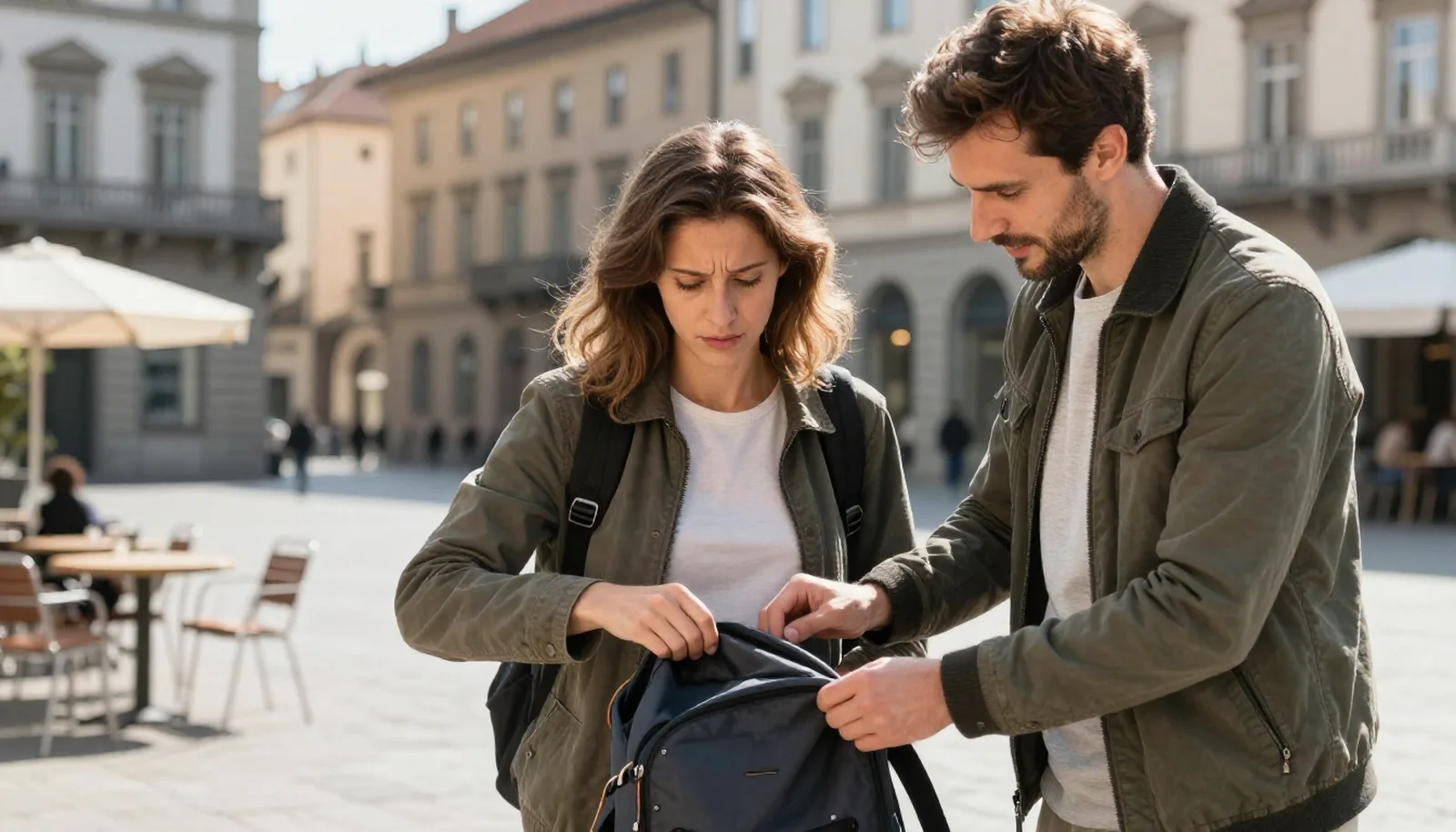
If your phone, wallet or bag disappears, first make sure you are safe and with someone you trust. Block your bank cards in your banking app or by calling your bank, and lock your phone from another device using the manufacturer's tools. Ask the venue staff whether anything has been handed in, then report the loss or theft to the local police and ask for a written report, which your insurer may need.
If you cannot get home, ask the venue staff to call a licensed taxi, go to a well-lit, busy place such as a hotel reception, or contact your accommodation. In an emergency, call the local emergency number straight away.
Frequently asked questions
Is it safe to go to clubs alone when travelling?
Many people do, but it helps to be extra prepared: plan your way home, keep your phone charged, tell someone where you are and stay in busy, well-known venues.
What should I do if I think my drink was spiked?
Tell the staff or security, stay with someone you trust and get medical help, especially if you feel very unwell. You can also report it to the police.
Are ride apps safer than street taxis?
Both can be safe if they are licensed. Check which services operate legally in the country, and with apps, confirm that the car and driver match the booking before you get in.