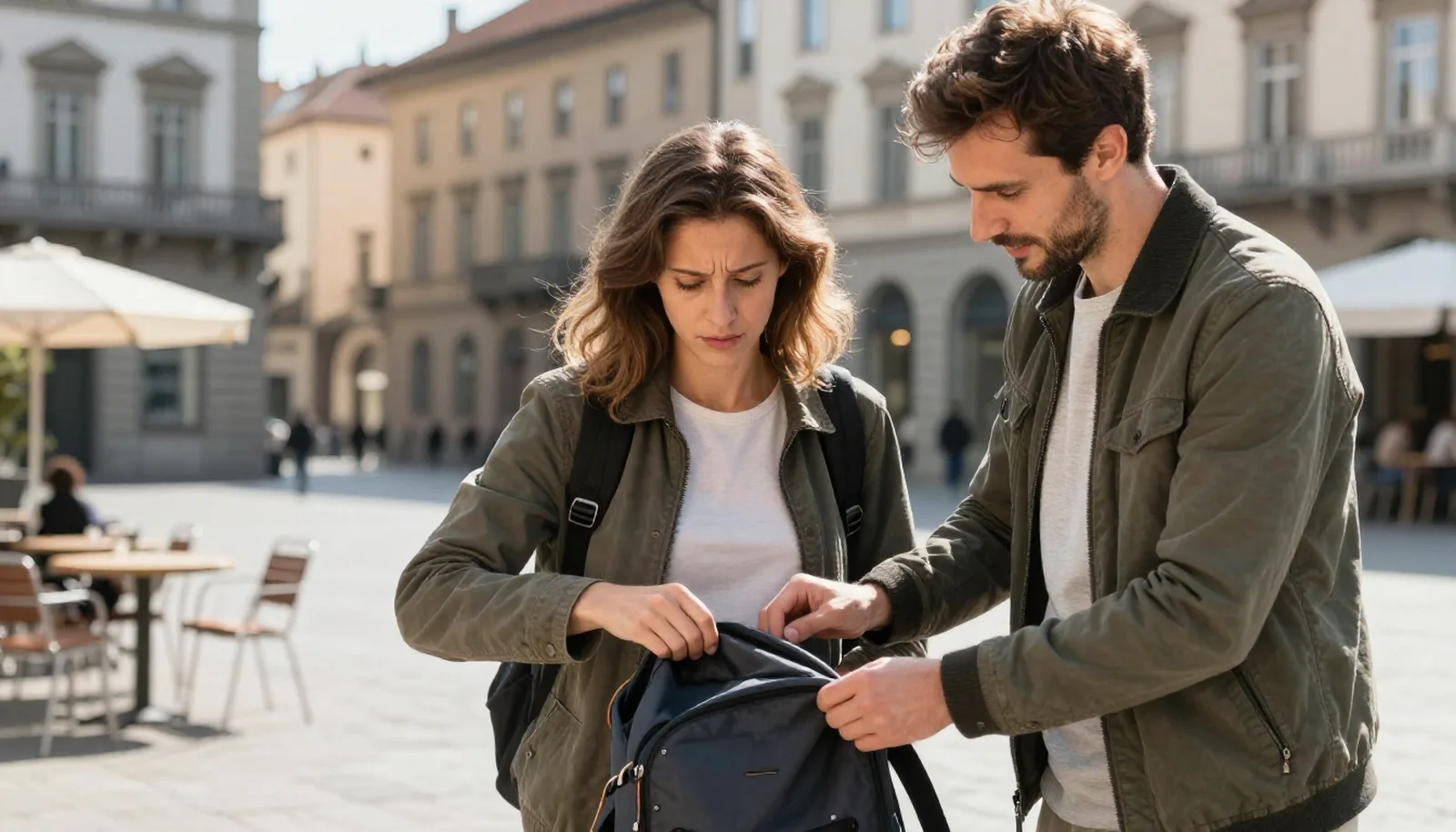
If you lose your passport or wallet abroad, first stay calm and retrace your steps, then block your bank cards, report the loss to the local police and ask for a written report, and contact your country's embassy or consulate about a replacement or emergency travel document. After that, tell your travel insurer and keep every receipt. The exact rules and documents differ from country to country, so always check your own government's official travel advice website.
Losing important things far from home feels overwhelming, but it is a situation that can be handled one step at a time. This guide sets out the steps in a sensible order, so you know what to do first and what can wait. It is general guidance, not legal advice.
What should you do in the first hour?
The first hour matters most, mainly because you can still find things and because blocking cards quickly limits any misuse. Start with these steps:
- Stop and breathe. Panic makes it harder to remember where you were. Sit down somewhere safe for a moment.
- Search your bags properly. Check every pocket, the lining of your bag and your jacket. Things that seem lost sometimes turn up in an unexpected compartment.
- Retrace your steps. Think about the last place you definitely had the item: a café, a taxi, a shop, a train, your accommodation. Call or go back if you can.
- Ask nearby staff. Hotels, restaurants, stations and airports often keep lost property. Ask at the reception or information desk.
- Block your cards if the wallet is gone. Do this right away, even if you hope to find it later. Cards can usually be unblocked or replaced.
If you think the item was stolen rather than lost, think about your safety first. Move to a busy, safe place and do not try to follow or confront anyone.
How do you block your bank cards from abroad?
Most banks let you freeze or block a card in their mobile app within a few seconds. If you cannot use the app, call your bank's emergency or lost card number, which is usually printed on the back of the card and listed on the bank's website.
Ask the bank what they can do next. Some banks can send a replacement card abroad, give you access to emergency cash, or let you use a digital card on your phone. What is possible depends on your bank and your country, so ask directly. Also think about other things that were in your wallet, such as a driving licence or ID card, and note them down for your police report.
Reporting the loss to the local police
A police report is often needed for a new passport, for an insurance claim, or both. Go to a local police station, or ask your accommodation how losses are reported where you are. In some places you can start a report online. When you report it:
- Describe what you lost. List the passport, cards, cash, phone and other items as clearly as you can.
- Give the time and place. Say where and when you last had the items and when you noticed they were missing.
- Ask for a written copy. Request a copy or a reference number of the report. Keep it safe, because you may need it more than once.
- Ask for help with language if needed. If you do not speak the local language, ask whether an interpreter or a translated form is available, or use a translation app.
Even if you do not expect to get your things back, the report is useful proof of what happened.
How can your embassy or consulate help?
If your passport is lost or stolen, contact your country's embassy or consulate in the country you are visiting. Look up the details on your own government's foreign ministry or travel advice website, and check the opening hours and whether you need an appointment. Many embassies also have an emergency phone line for citizens.
Depending on your nationality and situation, they may be able to issue a replacement passport or an emergency or temporary travel document that allows you to travel home or continue your trip. The process, the documents they ask for, the fees and how long it takes are different for every country, so check the official information before you go. Often you will be asked for a police report, passport photos and some proof of identity and nationality, such as a copy of your lost passport or another ID document.
Be aware that an emergency document may only be valid for certain journeys, and you may also need to check entry and exit requirements, such as whether a visa or entry stamp has to be replaced. The embassy or consulate can usually tell you what applies to you.
Travel insurance, money and other practical steps
Contact your travel insurer as soon as you can. Many policies have a 24-hour assistance line and time limits for reporting a loss. Ask what is covered and what documents they need. Usually this includes the police report and receipts for any extra costs, such as new documents, transport to the embassy or changed travel plans. Keep every receipt and take photos of them.
If you have no money left, some options to look into are a backup card you keep separately, a money transfer from someone you trust, or emergency help through your bank. Your embassy or consulate may be able to give advice in a real emergency, but what they can offer varies from country to country.
If your phone was in the lost bag as well, change the passwords of your email and banking accounts from another device, and use your phone provider's or the manufacturer's tools to lock or locate it.
How can you prepare before you travel?
A few minutes of preparation can make a lost passport or wallet much easier to deal with:
- Copy your documents. Keep a photo or scan of your passport's photo page, visas and important cards in a secure place you can reach from any device, and keep a paper copy separate from the original.
- Split your money. Carry one card in your wallet and keep a backup card and some cash in another place, such as a different bag or your accommodation's safe.
- Save emergency numbers. Note your bank's emergency number, your insurer's assistance line and your embassy's contact details, in your phone and on paper.
- Bring spare passport photos. They can be useful if you need a new document quickly.
- Register your trip if your country offers it. Some governments let citizens register their travel, so they can contact you in an emergency. Check whether yours does.
- Share your plans. Let someone at home know where you are staying, so there is someone to help if you need it.
If it happens while you are travelling alone, sorting out paperwork in a foreign city can feel harder. Ask staff at your accommodation for help and do not be afraid to tell people what happened. On mytripdate you can see who is in the same city on the same dates and send them a message, which can be a way to find someone to talk to or share local tips with while you sort things out. Keep it sensible: chat on the site first, look for a verified profile and meet in a public place. Never share copies of your documents or bank details with people you have just met.
Frequently asked questions
Can I fly home without a passport?
Usually you need a valid travel document to board an international flight. Your embassy or consulate can tell you whether you can get a replacement passport or an emergency travel document for your journey home.
Do I need a police report for a lost passport?
Embassies and insurers often ask for one, but requirements differ. Check your country's official information, and get a report anyway if you can, since it is often useful.
What if my passport is found after I report it lost?
Once reported lost, a passport is often cancelled and can no longer be used. Do not travel with it; ask your passport authority or embassy what to do.
The bottom line
Losing a passport or wallet abroad is stressful, but it can be handled step by step: search and retrace, block your cards, report to the police, contact your embassy or consulate, and tell your insurer. Because rules and processes differ between countries, rely on your own government's official guidance. And before your next trip, make copies, split your money and save the important numbers.