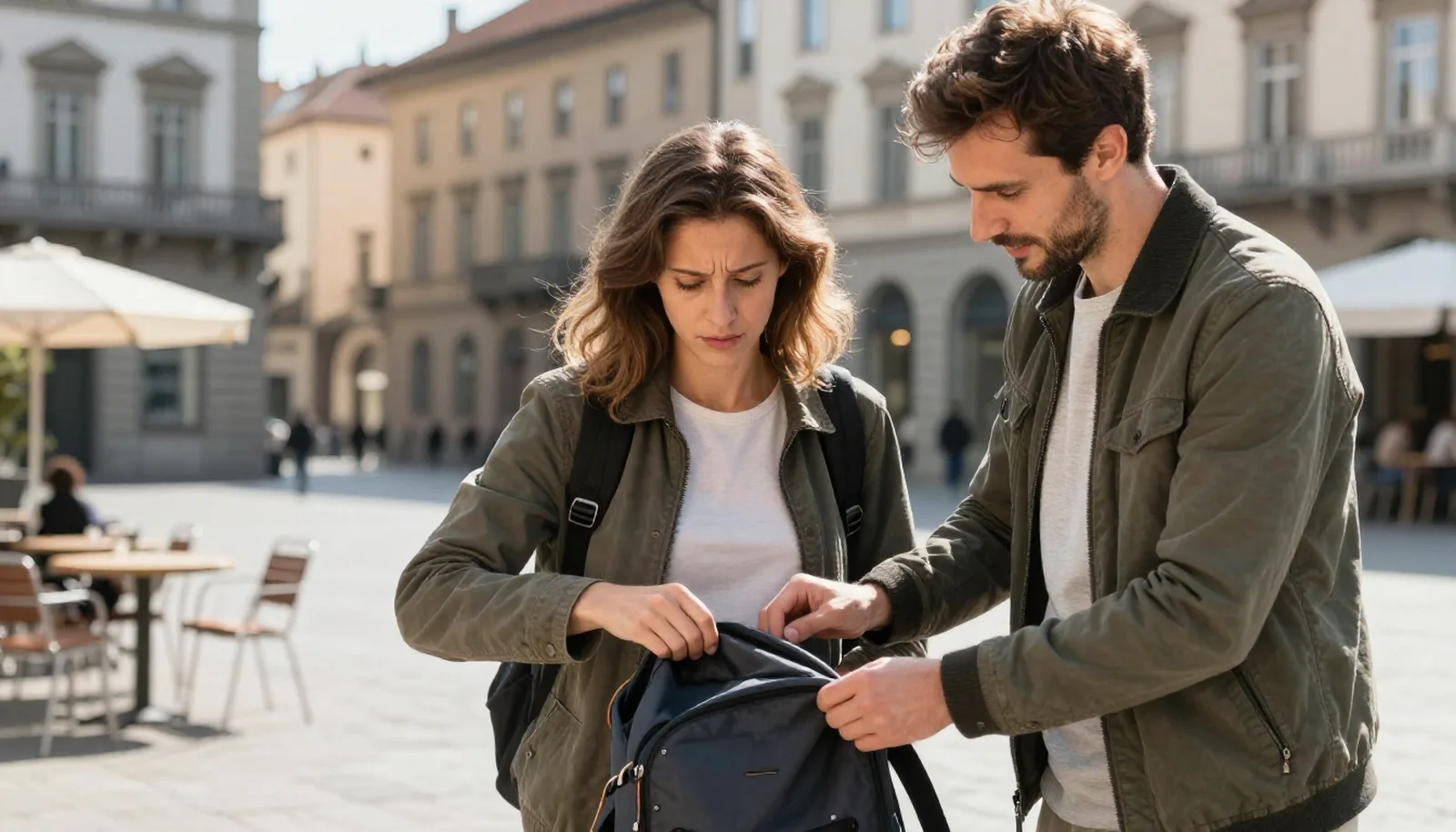
The most reliable way to avoid holiday rental scams is to book and pay only through a well-known booking platform or a business you can verify, and to keep all messages on that platform. Be wary of any listing with a price far below similar places, a host who asks you to pay by bank transfer, crypto or gift cards, or someone who pushes you to decide quickly. Check that the photos and the address are real, read the reviews carefully, and never click payment links sent by email or chat without checking where they lead.
Fake holiday rentals can look very convincing: good photos, friendly messages and a believable story. This guide focuses only on accommodation bookings, such as flats, houses and rooms booked online, and explains how to spot a fake listing, how to pay more safely and what to do if something goes wrong. Rules and protections differ between countries, banks and platforms, so always check the current terms that apply to you.
What are the warning signs of a fake holiday rental listing?
No single sign proves a scam, but the more of these you notice, the more careful you should be:
- The price is far below the market. Compare similar places in the same area and on the same dates. A large, central flat for a fraction of the usual price in high season is a classic lure.
- The host wants to move off the platform. A request to continue by email, phone or a messaging app, often with a "discount" for booking directly, is one of the most common signs.
- Unusual payment methods. Requests for a bank transfer to a private account, cryptocurrency, gift cards or a money transfer service are a serious warning, because such payments are hard to reverse.
- Pressure to hurry. Messages such as "another guest wants it, pay today" are designed to stop you from checking.
- A vague or missing address. The host avoids giving the exact address before payment, or the address does not match the photos.
- A new profile with no history. No reviews, a very recent account, or details that change from one message to the next.
Why should you pay and chat only on the booking platform?
Booking platforms usually offer some form of guest protection, such as holding the payment until check-in or helping with refunds when a listing is not as described. These protections normally apply only when you book, pay and communicate through the platform itself. Once you pay outside it, you may lose that help, and the platform may not be able to see what was agreed.
Scammers know this, which is why they try to move the conversation elsewhere. If a host asks you to pay outside the platform, decline politely and report the message to the platform.
When you pay, a credit card is often a safer choice than a bank transfer, because many card issuers have a dispute process if you do not receive what you paid for. The exact protection depends on your card and your country, so check with your bank. Be very cautious with bank transfers to private accounts, cryptocurrency and gift cards: money sent this way is often very difficult or impossible to get back.
How can you check whether the photos and address are real?
Fake listings often use photos copied from real listings, hotel websites or property adverts. A few minutes of checking can reveal this:
- Run a reverse image search. Use a reverse image search tool on a few of the photos. If the same pictures appear under a different name, in a different city or on an estate agent's website, treat the listing as suspicious.
- Look the address up on a map. Check that the building exists, that the street view matches the photos and that the area fits the description, for example a sea view or a city-centre location.
- Compare the details. The room layout, furniture, views and number of bedrooms should match across the photos, the description and the host's messages.
- Ask specific questions. A real host can usually answer questions about the building, the check-in process or the nearest shop. Vague or copied answers are a warning sign.
If you are booking directly with a property business, look for a real company name, a physical address and contact details you can check independently.
Fake booking confirmations and phishing links
Some scams start after you have booked a real place. You may get an email, text or chat message that appears to come from the booking platform or the host, saying that your payment failed, that your reservation will be cancelled or that you need to confirm your card details. Watch out for these signs:
- A link to "confirm" or "pay again". Do not click it. Open the platform's app or type its address yourself and check your booking there.
- A sender address that looks slightly wrong. Extra letters, an unusual domain or a free email address instead of the platform's own.
- Requests for card details or passwords. Legitimate companies do not normally ask you to send these by email or chat.
- Urgent deadlines. Threats that the booking will be cancelled within hours are meant to make you act without thinking.
If you are not sure whether a message is genuine, contact the platform through its official app or website, not through the contact details given in the message.
How to read reviews and host profiles
Reviews are useful, but read them with care. Look at how long the host has been active, how many reviews there are and whether they are spread over time. A sudden batch of short, very similar five-star reviews can be a warning sign, while detailed reviews that mention real features of the place and its surroundings are usually more trustworthy.
Read some of the negative and mixed reviews too, and see how the host responded. Check that the reviews are for this exact property and not copied from another listing.
What should you do if you have been scammed?
If you realise you have paid for a fake rental, act quickly:
- Contact your bank or card issuer immediately. Explain what happened, ask whether the payment can be stopped or disputed, and block your card if you shared its details.
- Report it to the platform. If the listing or the first contact was on a booking platform, report the listing and the messages so the platform can act and possibly help you.
- Report it to the police. File a report and keep the reference number. Many countries also have an official service for reporting online fraud; check your government's website.
- Keep all evidence and secure your accounts. Save the listing, screenshots, emails, payment receipts and the scammer's details, and change your passwords if you entered them on a suspicious page.
If you arrive and the place does not exist, contact the platform first if you booked there, and find licensed accommodation such as a hotel. Be careful with anyone who contacts you afterwards offering to recover your money for a fee: this is often a second scam.
Talking to other travellers can also help you get a feel for a destination. On mytripdate you can see who is travelling to the same city on the same dates and message them, for example to swap tips about neighbourhoods. Still, make your own bookings through trusted channels, and never send money or booking details to someone you have just met online.
Frequently asked questions
Is it safe to book a holiday rental directly with the owner?
It can be, but it carries more risk because there is no platform in between. Verify the owner and the property independently, pay by a method that offers protection and get a written agreement.
Can I get my money back after a holiday rental scam?
Sometimes, especially if you paid by card and report it quickly. Money sent by bank transfer, crypto or gift cards is much harder to recover. Contact your bank straight away.
How do I know if a booking email is real?
Do not rely on the email itself. Open the platform's official app or website and check whether the same message or booking status appears there.
Why do scammers offer a discount for paying directly?
A discount is an easy way to tempt you off the platform, where your payment may no longer be protected. Treat it as a warning sign, not a bargain.
The bottom line
Most holiday rental scams rely on the same tricks: a price that seems too good to be true, a request to pay outside the platform, pressure to hurry and photos that are not what they seem. Book and pay through trusted channels, check before you pay, and if something goes wrong, contact your bank, the platform and the police as soon as possible.