Reverse culture shock is the unsettled feeling many people have when they return home after a long trip or a period of living abroad. Home looks the same, but you have changed, and the gap between the two can feel strange, boring or lonely for a while. It is a common experience, and for many people it fades as they find a new rhythm. Giving yourself time, keeping some habits from your time away, staying in touch with people you met and setting a new goal all help you settle back in.
Most people expect culture shock when they arrive somewhere new. Far fewer expect it when they come back. This guide is for anyone returning from months of travel, a study year, a job abroad or a long stay in another country, and it explains what is happening and what you can do about it.
What is reverse culture shock?
Reverse culture shock, sometimes called re-entry shock, is the adjustment you go through when you return to your own culture after getting used to another one. While you were away, you learned new routines, new ways of talking to people and new ideas about what is normal. Back home, these do not always fit, and the familiar can suddenly feel unfamiliar.
What makes it confusing is that it is unexpected. You are returning to your own language, your own food and your own people, so it seems as if it should be easy. When it is not, many people wonder what is wrong with them. Usually nothing is wrong: it is a normal part of coming back from a meaningful experience.
What are the common signs?
Everyone experiences it differently, and it can be mild or stronger. Some feelings come up often:
- Feeling like an outsider: you are home, yet you do not quite feel you belong.
- Boredom and restlessness: daily life seems slow and predictable compared with life on the road.
- Not being able to share it: friends listen for a few minutes, then the conversation moves on.
- Irritation: small things at home that never bothered you before now feel annoying.
- Missing people and places: you think a lot about the friends, the city or the life you left behind.
- Uncertainty about the future: you are not sure what you want next, or whether your old plans still fit.
These feelings can come and go. Some people feel fine for the first few weeks, while the excitement of seeing everyone lasts, and only notice them later.
Why does coming home feel so strange?
There are a few reasons. First, you changed while you were away. You may have become more independent, more open or more confident, and your old routines were built for the person you were before. Second, home changed too, but in smaller ways you did not see happen: friends have new jobs, partners or habits, and life went on without you. Third, travel is full of novelty. Every day brought something new, and normal life has much less of that.
There is also the problem of the story. You lived something big, but it is hard to explain to people who were not there. When others do not react the way you hoped, it can feel as if the experience did not matter. It did; it is simply hard to share in a few sentences.
How do you settle back in?
There is no quick fix, but small, practical steps make the transition easier:
- Give yourself time. Do not expect to feel at home right away. Plan a softer first few weeks if you can.
- Keep one habit from abroad. A food you learned to cook, a morning walk, a language you practised: bring something with you into daily life.
- Explore home like a traveller. Visit a neighbourhood you never go to, try a new restaurant or take a day trip nearby.
- Find people who understand. Others who have lived or travelled abroad often understand without long explanations.
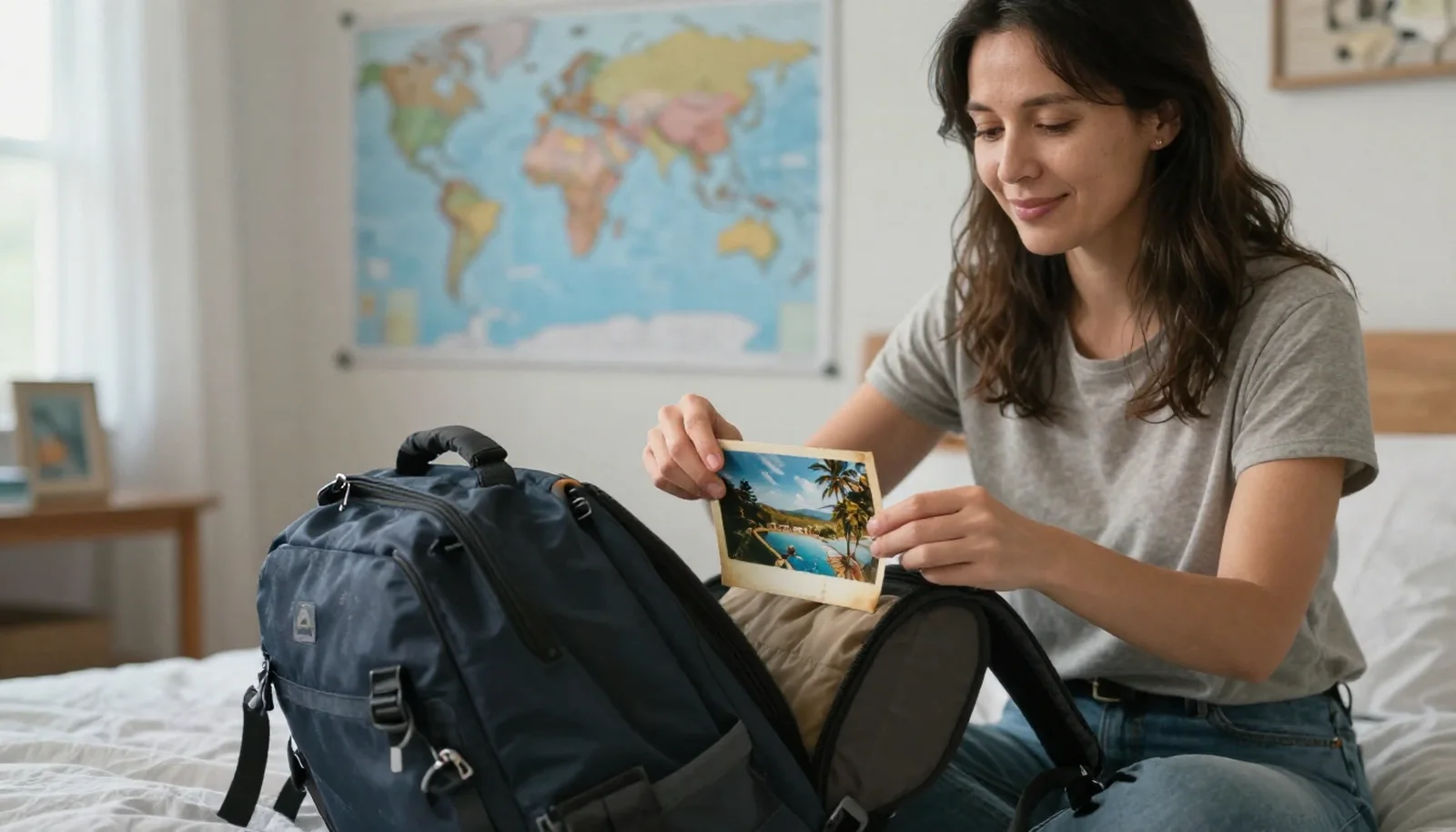
- Tell your story in your own way. Write, sort your photos or make a small album. It helps you process the experience, even if few people read it.
- Look after the basics. Sleep, regular meals and exercise matter, especially if you are also dealing with jet lag.
How can you keep friendships and relationships from the road?
One of the hardest parts of coming home is the distance from people you met. Friendships made while travelling can be intense and quick, and it is natural to worry that they will fade. Some will, and that is fine. Others can last if you put a little effort in.
Regular, small contact often works better than rare long calls: a voice message, a photo, a question about their week. A shared plan, such as meeting again in a city you both want to see, gives the friendship something to look forward to. If you met someone special and want to see where it goes, talk honestly about what each of you wants and about time zones, costs and when you might meet again. On mytripdate, you can keep talking by message and, when you plan your next trip, see who will be in the same city on the same dates.
Why does a new goal help?
Part of what makes travel exciting is that it has direction: a route, a next stop, something to learn. Coming home can remove that sense of direction. Setting a new goal brings some of it back. It does not need to be another big trip. It could be learning the language you started, taking a course, changing something about your work or saving for a future journey.
It also helps to ask yourself what you want to keep from your time away. Maybe you liked having fewer possessions, more time outdoors or more contact with new people. Those are things you can build into life at home, step by step.
When should you talk to someone?
For many people, reverse culture shock eases gradually. But if low mood, loneliness or anxiety lasts a long time, gets stronger or makes daily life difficult, it is a good idea to talk to a doctor or a mental health professional. Talking to friends and family about how you really feel can help too. Asking for support is not a sign of failure; it is a sensible way to look after yourself during a big change.
Frequently asked questions
How long does reverse culture shock last?
It varies from person to person. It often depends on how long you were away, how different the experience was and what is waiting for you at home. For many people it eases gradually.
Is it normal to feel sad after coming home from a trip?
Yes. Many travellers feel low or restless after returning, especially after a long or meaningful trip. Giving yourself time and keeping in touch with people you met can help.
Can you get reverse culture shock after a short trip?
It is usually stronger after long stays, but some people notice a milder version after shorter trips too, especially if the experience was very different from daily life.
How can I explain my experience to friends?
Share one or two specific stories instead of everything at once, and ask about their lives too. People who have travelled themselves may want to hear more.