Travel anxiety is common, and for many people it eases with a mix of good preparation and simple calming habits. It helps to work out what exactly worries you, plan the parts of the trip that feel uncertain, keep important information easy to reach, and use techniques such as slow breathing and focusing on the next small step when nerves rise. If anxiety is constant, very strong or stops you from travelling, it is a good idea to talk to a doctor or another health professional.
Feeling nervous before a journey does not mean you are bad at travelling. A trip brings many unknowns at once: new places, new routines, crowds, a different language and the fear that something might go wrong. This guide looks at common sources of worry and practical ways to feel calmer, before you leave and while you are away. It is general advice, not medical advice.
Why do people feel anxious before a trip?
Everyone's worries are different, but some come up again and again:
- Losing control: depending on timetables, connections and other people.
- The journey itself: flying, long bus rides, airports and crowded stations.
- Getting lost or not understanding: new streets, signs and a language you do not speak.
- Safety and health: fears about theft, illness or emergencies far from home.
- Being alone: eating, exploring or spending evenings without company.
- Leaving things behind: work, family, pets or responsibilities at home.
Naming your specific worry is a useful first step. "I am nervous about the trip" is hard to act on; "I am worried about finding my way from the airport to the hotel at night" is something you can plan for.
How can preparation reduce travel anxiety?
Uncertainty feeds worry, and planning takes some of it away. You do not need to plan every minute, only the moments that feel uncertain to you:
- Plan the first and last day in detail. Know how you will get from the airport or station to your accommodation, and how you will get back.
- Keep documents in one place. Store tickets, bookings and your accommodation address both on your phone offline and on paper.
- Make a short list. A packing list and a list of things to do at home before you leave stop the "did I forget something?" thoughts.
- Save emergency details. Note the local emergency number, your insurance contact and your country's embassy or consulate for the destination.
- Leave extra time. Arriving early at the airport or station is one of the simplest ways to avoid stress.
Then stop. Planning beyond what you need can turn into a new source of worry. Leave some free time in your schedule; not every hour needs a purpose.
Staying calm on flights and long journeys
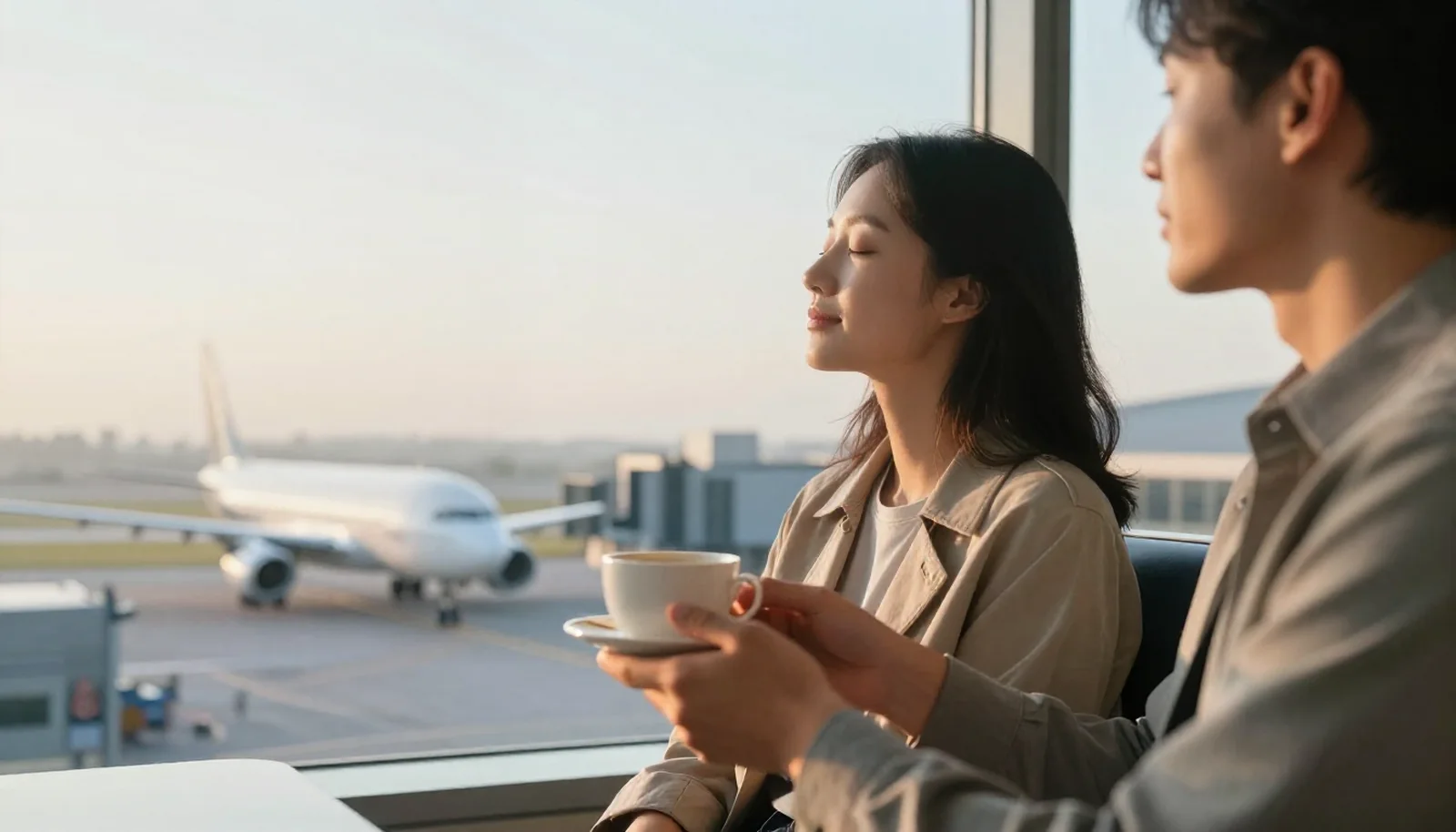
Many people find the journey itself the hardest part. Some ideas that help: choose your seat in advance if you can, so you know where you will sit; bring something absorbing such as downloaded films, music, a podcast or a book; and drink water and avoid too much caffeine, which can make nerves feel stronger. If you are nervous about flying, it can help to learn what normal sounds and movements on a plane are, so that they surprise you less. Cabin crew are used to nervous passengers, so it is fine to tell them you feel anxious.
On a long journey, break it into stages instead of thinking about all of it at once: get to the gate, board, the first hour, the meal, landing. Each stage done is a small win.
Simple techniques for moments of stress
When nerves rise, a few simple techniques can help you feel more grounded. They are not a cure, but many people find them useful:
- Slow breathing. Breathe in gently through your nose, then breathe out more slowly than you breathed in. Repeat for a minute or two.
- Grounding with your senses. Name a few things you can see, hear and touch around you. It brings your attention back to the present.
- One next step. Instead of the whole day, ask only "what is the next thing I need to do?" and do that.
- Move your body. A short walk, stretching or simply standing up and changing position can release tension.
- Talk to someone. A message or a call to someone you trust can put a worry into perspective.
Try these at home first, when you are calm, so they feel familiar when you need them.
How do you settle into a new place, especially alone?
The first day somewhere new is often the most intense. Give yourself an easy start: rest after arriving, have a simple meal near your accommodation and take a short walk around the neighbourhood to learn where the shops, transport stops and pharmacy are. Familiar routines help, too. If you have a morning coffee or an evening walk at home, keep doing it abroad.
Expect some things to go differently than planned. A late train or a closed restaurant is part of travel, not a sign that the trip is failing. Having a plan B for the important parts, such as a second route or a backup place to eat, makes these moments easier.
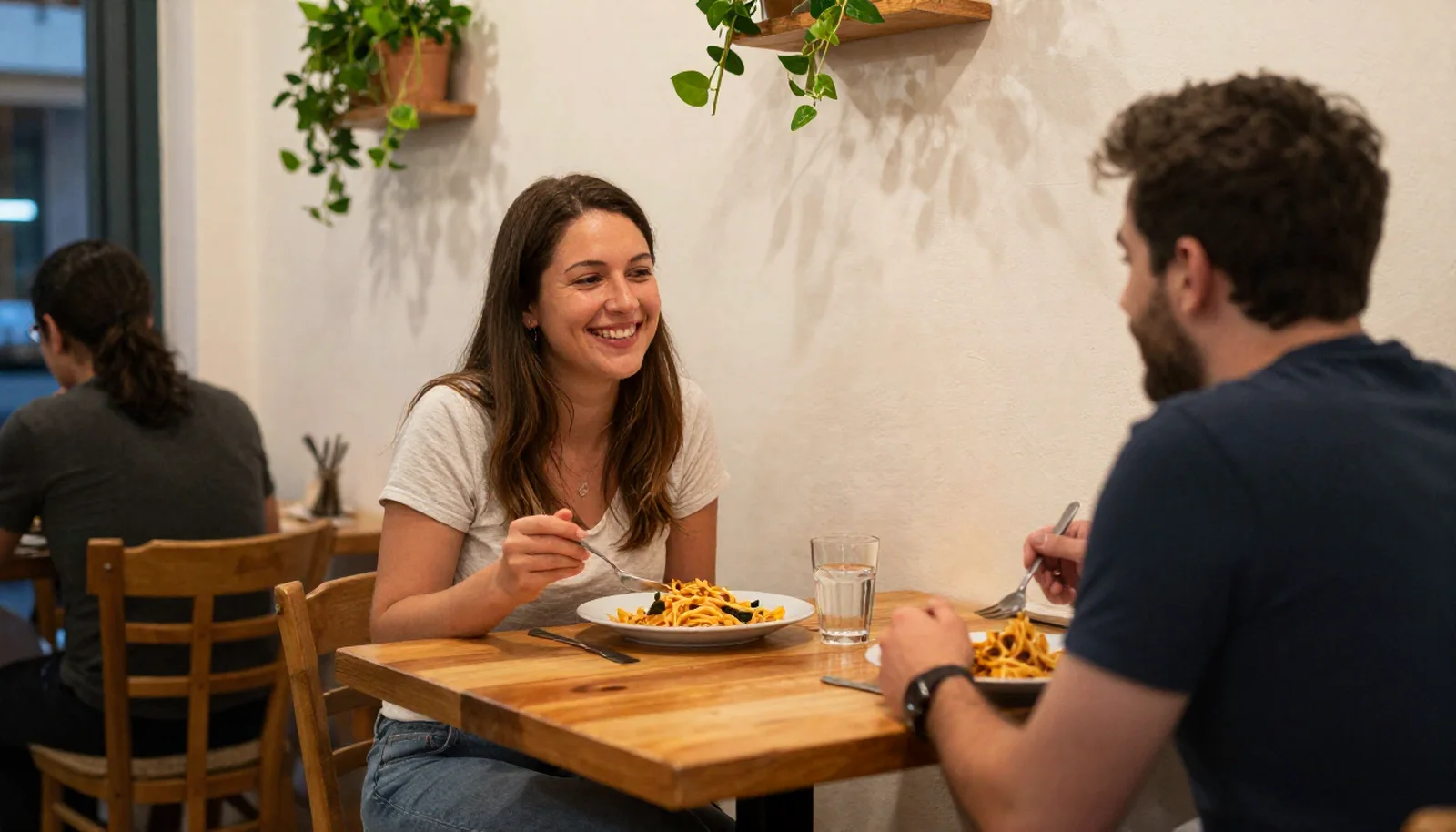
Solo travel can be wonderful, and it can also feel lonely at times, especially in the evenings. Small social moments make a difference: a group walking tour, a cooking class, a shared table in a hostel, or simply chatting with staff at a café you visit every day. On mytripdate, you can see who will be in the same city on the same dates and send them a message, so you know there is someone to meet for a coffee or a walk. Take your time: chat on the site first, check whether the profile is verified and choose a public place for your first meeting.
It is also fine to spend time alone. A quiet evening with a book or a call home is part of a good trip, not a failure.
When should you seek professional help?
Some nervousness before a trip is normal. But if anxiety is constant, very intense, causes physical symptoms that worry you, or makes you avoid travelling altogether, talk to a doctor or another health professional. They can help you understand what is happening and discuss options that suit you. If you take medication or have a health condition, ask your doctor for advice before a long trip and take enough of your medication with you.
Frequently asked questions
Is it normal to feel anxious before a holiday?
Yes. Many people feel nervous before travelling, even when they are looking forward to the trip. For many, the feeling eases once the journey has started.
What helps with anxiety at the airport?
Arrive early, keep your documents easy to reach, know your gate and boarding time, and use slow breathing or a distraction while you wait.
Can travelling alone make anxiety worse?
For some people it does at first, for others it builds confidence. Planning small social moments and keeping in touch with people at home can help you feel more secure.
The bottom line
Travel anxiety is common and, for many people, manageable. Name what worries you, plan the uncertain moments, keep important information close and use simple techniques when stress rises. Give yourself an easy start in new places and room to rest. And if anxiety feels too heavy to manage on your own, reach out to a health professional: you deserve to enjoy your travels.