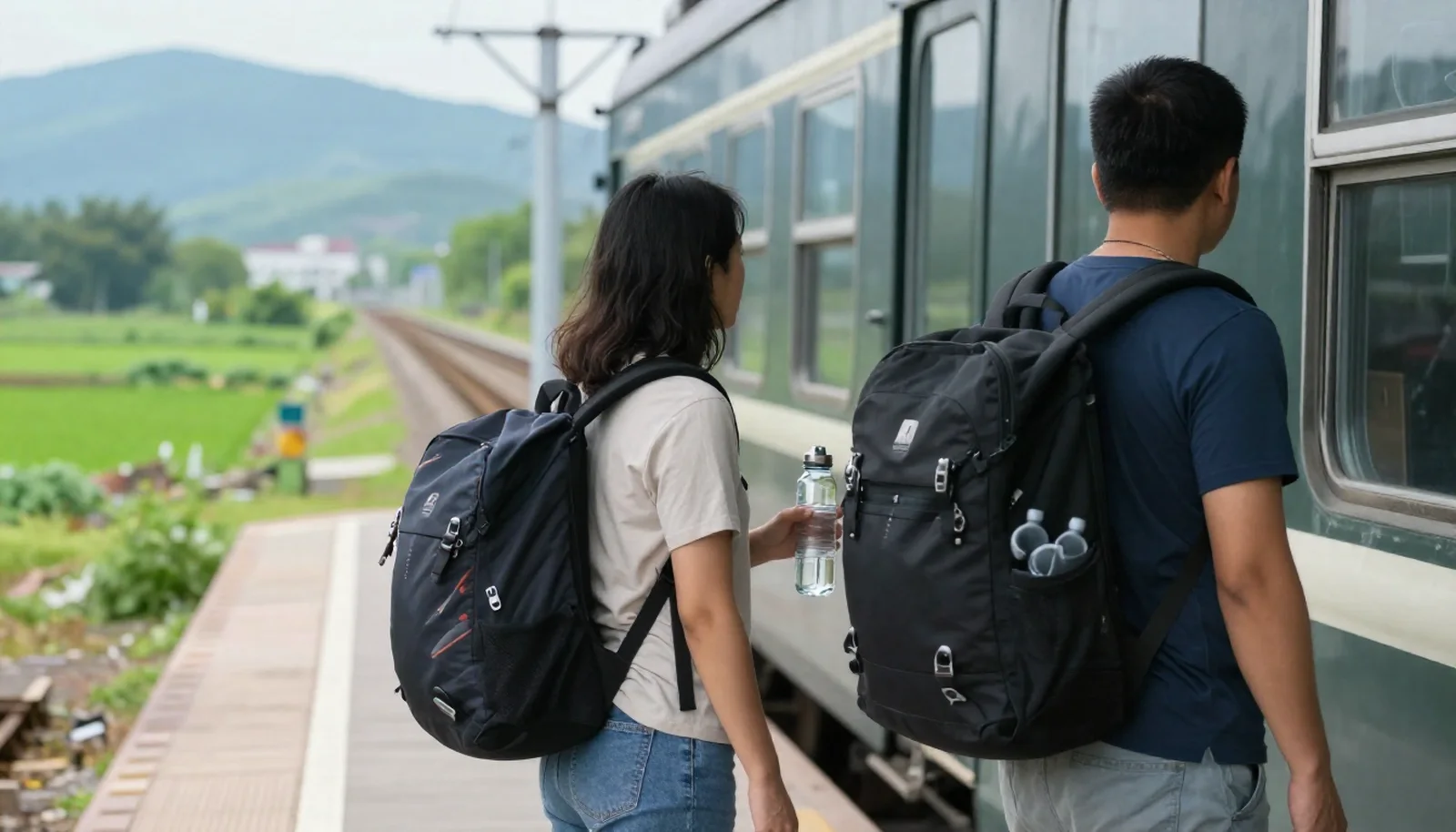
If you are travelling somewhere you don't speak the language, prepare a little before you go: learn a handful of basic phrases, download an offline translation app and offline maps, keep your accommodation address written in the local script, and carry a card for any allergy or diet. On the spot, use short, simple sentences, show prices and addresses in writing, be patient and stay polite. With these habits you can handle most everyday situations, from ordering food to finding your way back.
Not speaking the local language can feel daunting, but travellers manage it every day. You don't need to be fluent. What helps most is a bit of preparation, a few tools on your phone and a friendly attitude. This guide focuses on practical communication during a trip: getting around, eating, shopping and asking for help.
Which basic phrases should you learn before you go?
A few words in the local language go a long way. Even if your pronunciation is not perfect, people usually appreciate the effort. Before you leave, learn or note down how to say:
- Hello and goodbye, including a polite form if the language has one.
- Please and thank you. Probably the most useful words in any language.
- Excuse me and sorry, to get someone's attention or to apologise.
- Yes and no, so you can answer simple questions.
- How much is it? For markets, shops and taxis.
- Where is…? Followed by a word such as toilet, station, hotel or hospital.
- I don't understand and Do you speak English? (or another language you know).
- Numbers from one to ten, which help with prices, times and platforms.
- Help! and a short phrase to ask for a doctor.
Write them in a note on your phone and on a small piece of paper, with a simple guide to pronunciation. Listening to the phrases a few times in an app or video before the trip makes it easier to say them out loud.
How can offline translation and maps help?
Mobile data can be expensive, slow or unavailable when you arrive, which is exactly when you need help most. That is why it is worth preparing your phone at home, while you still have a good connection:
- Download the language for offline translation. Many translation apps let you save a language pack so they work without internet. Check that the language you need is available offline, because not every language is.
- Download offline maps of the cities or regions you will visit, so you can find your way and show your location to others.
- Try the voice mode once. Some apps translate spoken sentences in both directions. Test it at home so you know how it works.
- Bring a charger or power bank. Translation and maps use a lot of battery.
Remember that machine translation is helpful but not perfect. It works best with short, clear sentences without slang. If a translation produces a confused look, rephrase it more simply and try again.
Translating signs and menus with your phone camera
Many translation apps have a camera function: you point your phone at a sign, a menu, a label or a timetable, and the translated text appears on the screen. This is especially useful in countries that use a different alphabet, where you cannot even guess the words.
The results can be rough, particularly with handwriting, decorative fonts or dish names, so use them as a guide rather than an exact answer. If something important is unclear, such as an ingredient or a ticket condition, show the original text to a member of staff and ask.
Why should you keep addresses and key information in writing?
Written text is often more reliable than speech, especially when names are hard to pronounce. Prepare a few things in writing before the trip:
- Your accommodation address in the local script, plus the name of the nearest landmark or station. You can show it to a taxi driver or a passer-by. Ask your accommodation for it or copy it from the booking confirmation.
- An allergy or diet card. If you have a food allergy or a dietary need, carry a short card in the local language that explains it clearly. Translation apps can make mistakes with medical or food terms, so ask a native speaker or a professional translator to check it if you can.
- Important health information, such as the medicines you take, in case you need to visit a pharmacy or a doctor.
- Prices in writing. When you discuss a price, write the number on paper or type it into your phone's calculator and show it. Many sellers will do the same in return, which avoids misunderstandings about amounts.
Screenshots of tickets, bookings and addresses are also useful, because they work even when you have no connection.
Numbers and gestures can mean different things
Body language feels universal, but it is not. A gesture that is friendly at home, such as a certain hand sign or pointing with a finger, may be impolite or mean something else elsewhere. In some places, even nodding and shaking the head can be read differently from what you expect. Counting on your fingers also varies between cultures, so the number you show with your hand might be understood as another one.
The safest approach is to keep gestures simple, avoid pointing at people and read a little about local customs before you go. When numbers matter, write them down instead of relying on your fingers. If you are unsure whether someone means yes or no, ask again in a different way or check with a written note.
What should you be able to say in an emergency?
Hopefully you will never need them, but it is wise to prepare one or two emergency sentences in the local language, such as "Please call an ambulance", "I need a doctor" or "I need the police". Save them in your phone and on paper, together with the local emergency number, which you should look up for each country before you travel.
It also helps to know how to say the name of your accommodation and to have your address ready to show. In a stressful moment, pointing to a written sentence is much easier than searching for words.
Simple sentences, patience and a smile
When you talk to people, speak slowly and use short sentences built around key words: "Station, please?" often works better than a long, complicated question. Avoid idioms and jokes that may not translate. If you are not understood, try a different word, draw a quick sketch or show a photo on your phone rather than repeating the same thing louder.
Patience and politeness matter more than grammar. Greet people before asking for something, say thank you and smile. Many people are happy to help a visitor who is friendly and makes an effort. It can also be reassuring to talk to other travellers: on mytripdate you can see who is in the same city on the same dates and send them a message, for example to swap tips about getting around. Chat on the site first, look for a verified profile and meet in a public place.
Frequently asked questions
Do translation apps work without internet?
Many do, if you download the language pack in advance. Not every language or feature is available offline, so check in the app before you travel.
Is it rude to speak English abroad?
Usually not, but it is polite to greet people in the local language first and ask whether they speak English, rather than assuming they do.
How do I explain a food allergy if I don't speak the language?
Carry a written card in the local language that names the allergen and says how serious it is, and show it before you order. If possible, have the translation checked by a native speaker.
What if nobody understands me?
Stay calm, use single key words, write things down, show pictures or maps and use a translation app. Staff at hotels, stations and tourist information offices can often help too.