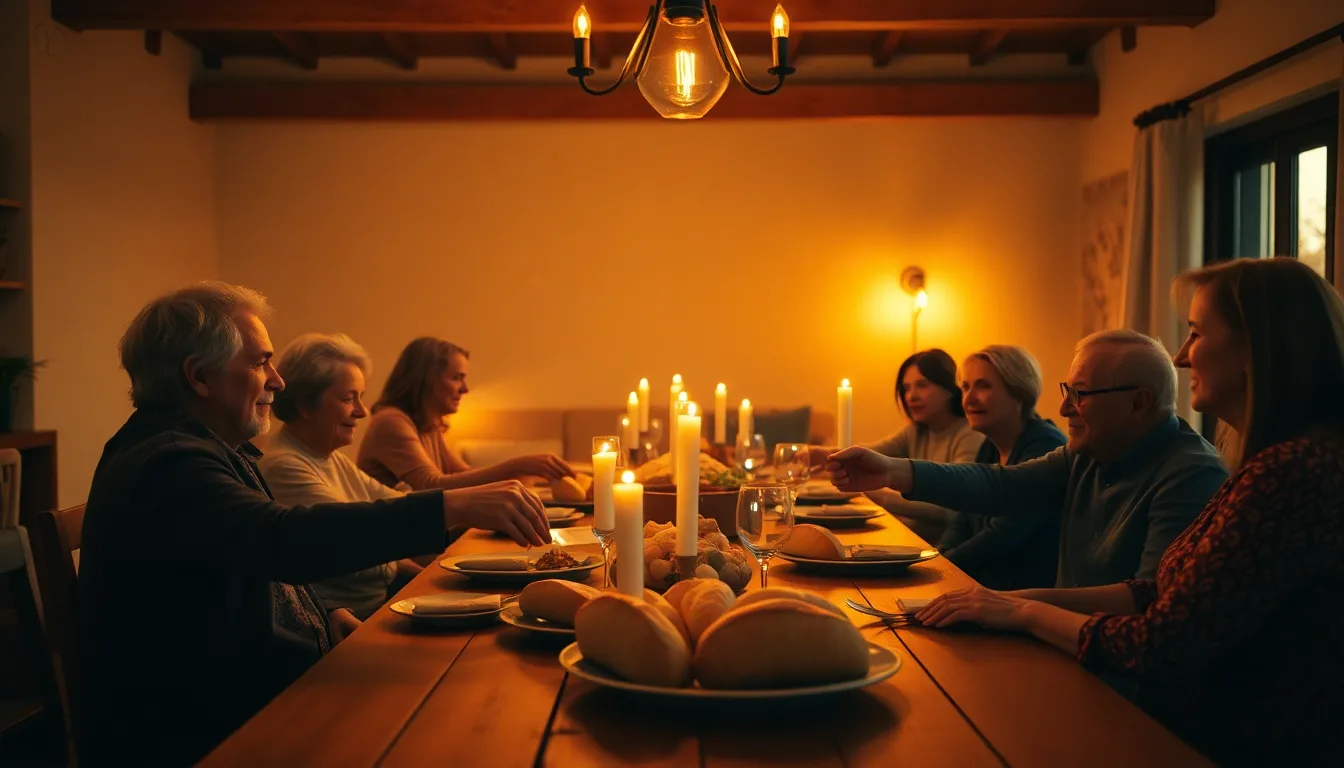
The term bonus family comes from Swedish — bonusfamilj. It was invented to soften the sharp edges of step, and it does what it was made to do: it tells the child, the new partner, the ex, that nobody is being replaced. Nobody is a footnote. Everyone is an addition.
That is the theory. The practice is harder, especially when the children are in their twenties, the exes are still on the family WhatsApp, and you and your new partner are trying to figure out whose house hosts Christmas. After years of watching this model play out among our readers, we can say with some confidence what actually works — and where it quietly breaks.
What Actually Works
1. Naming the new person honestly
Kids — even adult ones — hate ambiguity. The single most helpful sentence a parent can say is: "This is Mehmet. He is my partner. He is not your father. He is not trying to be. But he is in my life, and I would like him to know you." That sentence does more work than six months of polite dinners.
2. Separate finances, shared hospitality
The bonus families that last tend to keep money clearly separated — especially when there are adult children and inheritances in play. But they share food, time, and rituals generously. You can eat together every Sunday without ever co-mingling bank accounts, and that combination is often the sweet spot.
3. Letting the other parent keep their title
The children's other parent — alive or deceased — keeps being their parent. Forever. Bonus families that try to rewrite that story almost always lose. The ones that honor it quietly are the ones children open up to.
4. Private couple time that is not defended, just taken
At 50+, your time as a couple is rarer and more precious than it was at 25. The successful couples we hear from don't justify weekends away or a locked bedroom door. They just take them, calmly, and the family adjusts.
What Quietly Breaks
1. Loyalty tests disguised as jokes
An adult daughter saying, "Dad never would have put sugar in the stew" — said with a laugh — is not a joke. It is a loyalty test. If the new partner tries to win it, the bonus family fractures. If the parent laughs with the child and ignores the test, it slowly disappears.
2. The ex who won't step back
Amicable co-parenting with adult children is beautiful. An ex who still calls you twice a week to chat about nothing is a problem. Bonus families break when the new partner feels like the third adult in someone else's marriage.
3. Unspoken rules about property
"This is the house the kids grew up in." "That's their mother's chair." "Dad's study stays as it is." Every one of these is reasonable on its own. Together, they create a home where the new partner is always a guest. The couples that last rearrange at least one room together — even symbolically.
4. Pretending you love the children you don't know yet
Love is not instant. A new partner who over-performs warmth with grown stepchildren tends to come across as fake, which is worse than cool. The couples who succeed let the relationship be what it actually is — curious, polite, slowly warming — and let affection arrive on its own schedule.
The Conversation Most Couples Avoid
The hardest, most useful conversation for a new bonus family is not about Christmas. It is about death. Specifically: what happens to this house, these savings, these photographs, if one of us dies first?
Most couples postpone it because it feels morbid. But when you are 55 and one partner has three adult children and the other has two, the estate question is already in the room. Naming it openly, ideally with a solicitor present, is the single biggest favor you can do your bonus family. Grief is hard enough. Grief plus ambiguity plus money destroys families.
Small Things That Help More Than You'd Think
- A shared calendar — not for surveillance, but so nobody is surprised by birthdays, anniversaries, or the ex's Sunday lunch.
- One neutral tradition — something the bonus family invents together. A yearly walk, a summer barbecue, a film night. Not borrowed from either previous family.
- A private name for the new partner — if the grandchildren arrive, let them invent it. Not "grandpa." Maybe Dede Ali or Baba Jim or just a first name. Children name what they love.
- Annual check-ins as a couple — not about the family, but about you two. Are we still a couple with a bonus family, or a bonus family with a couple inside it? The order matters.
A Gentle Truth
Bonus families are not smaller versions of first families. They are a different shape entirely — less a pyramid, more a constellation. Some evenings everyone is present. Some holidays only half the stars are visible. It does not mean the constellation is broken.
If you are standing at the edge of one of these families right now — either as the new partner or as the one introducing them — consider this: the goal is not to make everyone blend. The goal is to make everyone feel chosen and not erased. That is a smaller, more honest ambition, and it tends to be the one that lasts.
What is one thing a bonus family member has done for you that you still think about? That memory is usually the blueprint.