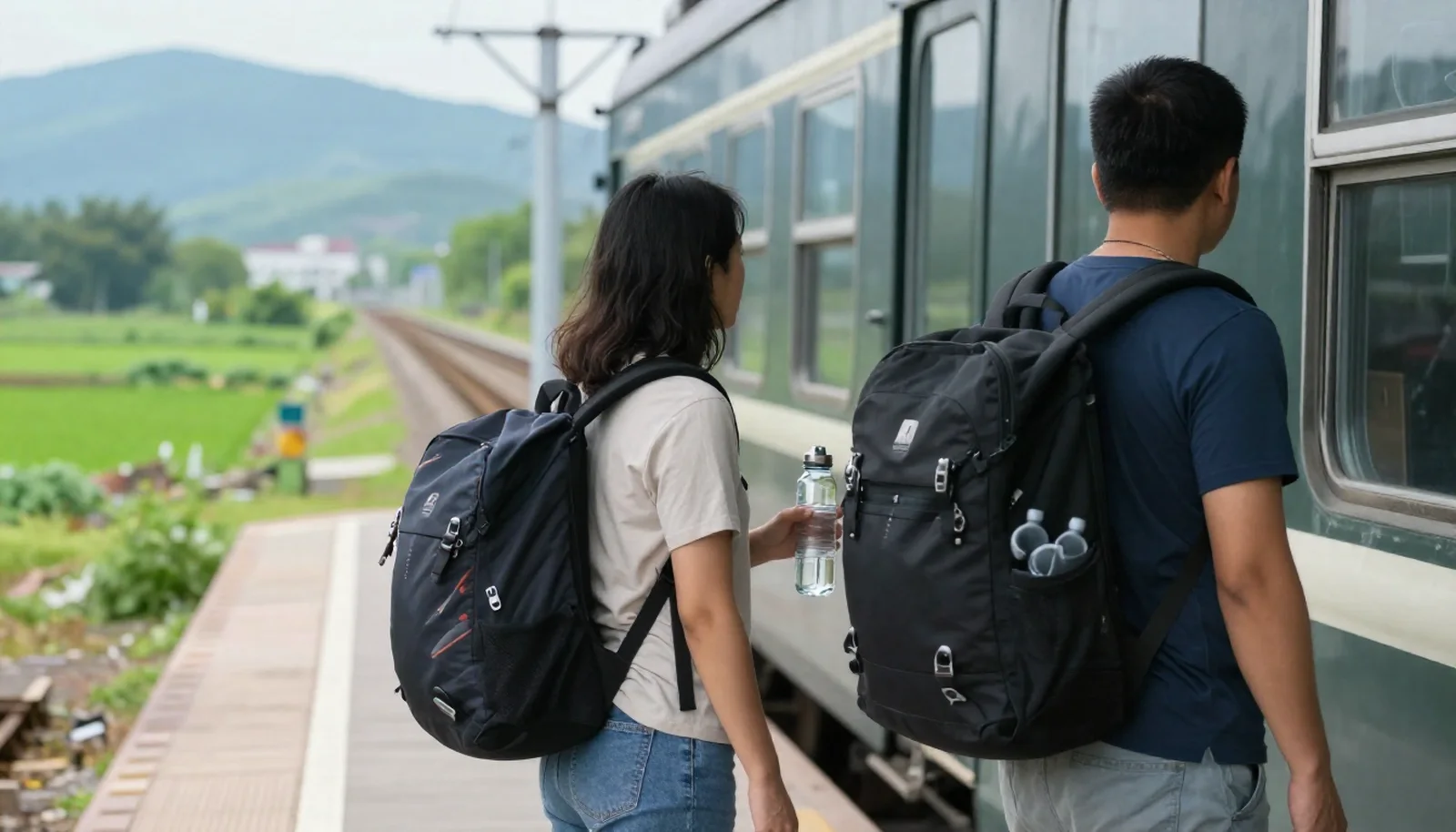
To travel well with parents or grandparents, agree on everyone's pace and expectations before you book, choose calm accommodation with a lift or few stairs and a sensible bed layout, keep journeys short with regular breaks, and sort out health matters early: enough regular medication, a word with the doctor and travel insurance whose conditions may depend on age. Share costs and decisions openly, plan some activities for everyone and some time apart, and prepare tickets and documents on paper as well as on phones.
A trip with several generations can be one of the most rewarding ways to travel. It can also be tiring if everyone silently expects a different holiday. This guide covers the practical side of planning a trip with older relatives, from the first conversation to the photos you keep afterwards.
How do you agree on pace and expectations before you go?
Most tension on family trips comes from expectations nobody said out loud. One person imagines early starts and three museums a day, another imagines long lunches and an afternoon nap. Talk about it before anything is booked, ideally with everyone who is coming, not only the person organising.
- Ask what each person hopes for. One or two things they would really like to see or do, and one thing they would rather avoid.
- Be honest about energy. How much walking feels comfortable, how early people like to get up and how late they like to stay out.
- Agree on a daily rhythm. For example, one main activity in the morning, a proper break at midday and a free or light evening.
- Talk about food and routines. Mealtimes, dietary needs and habits such as a morning walk or an early night matter more on a shared trip than people expect.
Older relatives sometimes say they are happy with anything so as not to be a burden. Ask specific questions instead of a general "Is that okay?", and notice what they leave unsaid.
What accommodation works best for several generations?
The right place to stay makes everything else easier. Before booking, read the description carefully and, if anything is unclear, ask the host or hotel directly. Things worth checking:
- Lift and stairs. Is there a lift? How many steps are there to the entrance, between floors and to the bathroom? Photos do not always show this.
- Bed layout. Who sleeps where, whether there are separate beds or bedrooms, and whether anyone needs a room near the bathroom at night.
- Quiet and light. A room away from a busy street or a nightlife area can make a big difference to sleep, at any age.
- Location. Staying close to the places you want to visit, or to public transport and taxis, cuts down on tiring transfers.
- A shared space. A living room, a terrace or a kitchen gives everyone a place to meet without having to go out.
An apartment or a few connected rooms can work better than rooms spread across a large hotel, but it depends on your family. Some people prefer their own room so they can rest in peace.
Shorter journeys, rest breaks and paper backups
Long travel days are often the hardest part for older travellers. Where possible, choose direct connections, avoid very early departures and leave plenty of time between connections. On a road trip, plan stops every couple of hours for stretching, the toilet and something to drink. On arrival day, keep the plan light.
Not everyone is used to booking apps, mobile boarding passes or digital tickets. A little preparation helps everyone feel more independent:
- Print the essentials. Keep paper copies of tickets, booking confirmations and the address of the accommodation, if possible also written in the local language.
- Give each person their own folder. Passport or ID, tickets, an insurance card and a list of emergency phone numbers, all in one place.
- Check document rules. Make sure passports or ID cards are valid for the whole trip and check the entry requirements for each traveller, since they can differ by nationality.
- Explain the plan in advance. Go through the route together before the trip, so nobody feels lost at a station or airport.
What health checks should you do before travelling?
Health preparation is worth starting several weeks before you leave. This is general information, not medical advice.
- Regular medication. Pack enough for the whole trip plus a few extra days, in your hand luggage and in the original packaging. Keep a list of the medicines with their generic names.
- A conversation with the doctor. If anyone has a long-term condition, ask their doctor whether the trip, the climate or the flight needs any special care, and whether any documents would be useful.
- Travel insurance. Insurers may apply age limits, extra questions or higher premiums for older travellers, and pre-existing conditions are often treated differently. Read the conditions carefully and declare everything you are asked to declare.
- Local help. Note where the nearest pharmacy and medical service are, and how to call for help in an emergency in the country you are visiting.
How do you share costs and make decisions fairly?
Money can be awkward in families, especially when generations have very different budgets or one side wants to pay for everything. Agree early on who pays for what: accommodation, meals, activities and transport. Some families split everything equally, some pay per household, and in some the grandparents treat everyone to one special dinner. Any arrangement is fine as long as everyone knows about it beforehand.
For decisions, it helps to agree on a simple approach, such as each person choosing one activity, or one organiser who collects opinions and makes the final bookings. A shared note or group chat with the plan, costs and addresses keeps everyone informed, as long as those without smartphones also get a printed copy.
Activities for everyone, and time on your own
Look for activities that work at different speeds: a boat trip, a scenic train ride, a garden, a market, a cooking class or a long lunch somewhere with a view. Many museums and sights have seating, lifts or shorter routes, and some offer reduced prices for older visitors, so check before you go. Booking popular sights in advance means less time spent queuing.
Time apart matters just as much. Grandparents may enjoy a quiet afternoon with the grandchildren while the other adults go for a longer walk, or the younger travellers may head out in the evening while the others rest. On mytripdate you can see who else is in the same city on the same dates and send them a message, so the more energetic members of the family can find someone with a verified profile to swap local tips with or join for a walk while the others take it slowly. Then everyone comes back to dinner with something to tell.
Collecting memories together
Trips across generations often become the stories a family tells for years. Take photos of everyone, not just the views, and ask older relatives to share memories linked to the places you visit. A shared photo album, a small notebook where each person writes a line every day, or a printed photo book afterwards turns the trip into something everyone can keep, including those who do not use social media.
Frequently asked questions
How long should a trip with grandparents be?
There is no ideal length. Many families find that a few days in one place, with little travelling in between, is more relaxing than a long tour. If you are not sure, start with a shorter trip.
Is travel insurance more expensive for older travellers?
It can be, and some policies have age limits or extra conditions. Compare several insurers and read the terms on age and pre-existing conditions before you buy.
What if a relative gets tired during the trip?
Build free time into the plan from the start, so that a rest day does not ruin anything. Let them skip activities without feeling guilty, and keep a taxi in mind for the way back.